Chief Ignacio and the Southern Ute Reservation After 1880
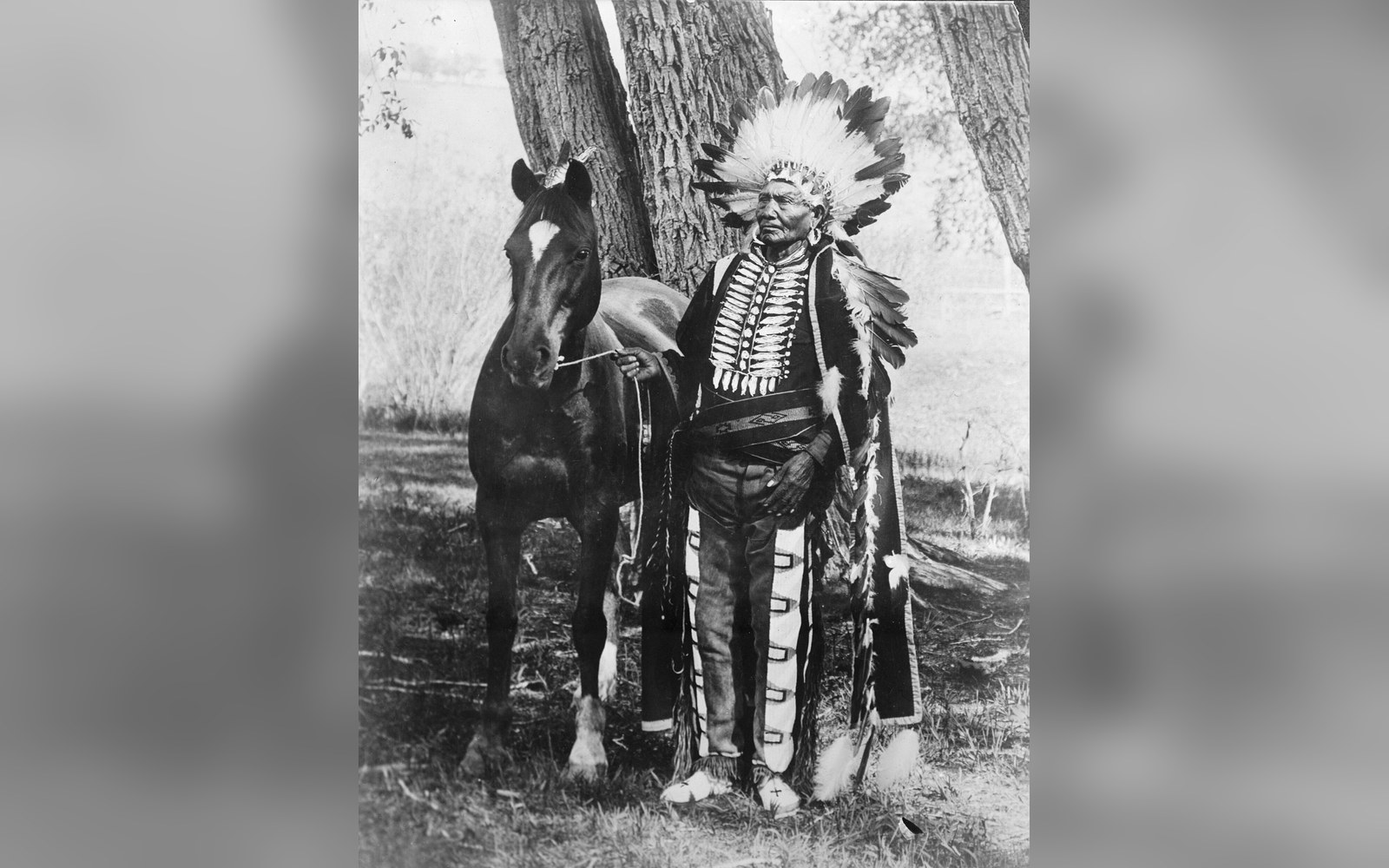
Chief Ignacio led the Southern Ute through the period of reservation establishment following the Brunot Agreement of 1873 and the Meeker Incident of 1879, and negotiated the tribe's retention of its southwestern Colorado lands against federal pressure to relocate.
A Leader Who Refused Removal
The decade following the Brunot Agreement of 1873 was one of sustained federal pressure on the Ute nations of southwestern Colorado. That agreement had already extinguished Ute title to roughly 3.7 million acres of the mineral-rich San Juan Mountains, confining the Southern Ute to a strip of land along the southern edge of Colorado. Then, in September 1879, the killing of Indian agent Nathan Meeker and ten employees at the White River Agency — an event the press labelled the Meeker Incident — supplied Congress with the political cover it needed to press for complete Ute removal from Colorado.
It was in this compressed, hostile environment that Chief Ignacio emerged as the central figure in Southern Ute survival on their southwestern Colorado lands. Ignacio was a chief of the Weeminuche band of the Ute, and his authority rested on a deliberate strategy: maintain peace with federal authorities, refuse removal, and negotiate incrementally rather than resist with force. He had not been party to the White River violence, a fact his negotiators pressed at every opportunity in Washington.
The 1880 Agreement and the Boundary That Held
Congress passed the Ute Removal Act in 1880, which initially called for relocating all Colorado Ute bands to Utah Territory. The Uncompahgre and White River bands were, in fact, removed — the Uncompahgre to the Uinta Basin in Utah following the 1881 removal. Ignacio's Southern Ute, however, held their ground. Working through a series of negotiations in which he traveled to Washington and met with federal officials, Ignacio argued that the Southern Ute bands had maintained peaceful relations with settlers and had no culpability for the White River events. The result was a modified outcome: rather than removal, the Southern Ute would remain in Colorado on a reduced reservation.
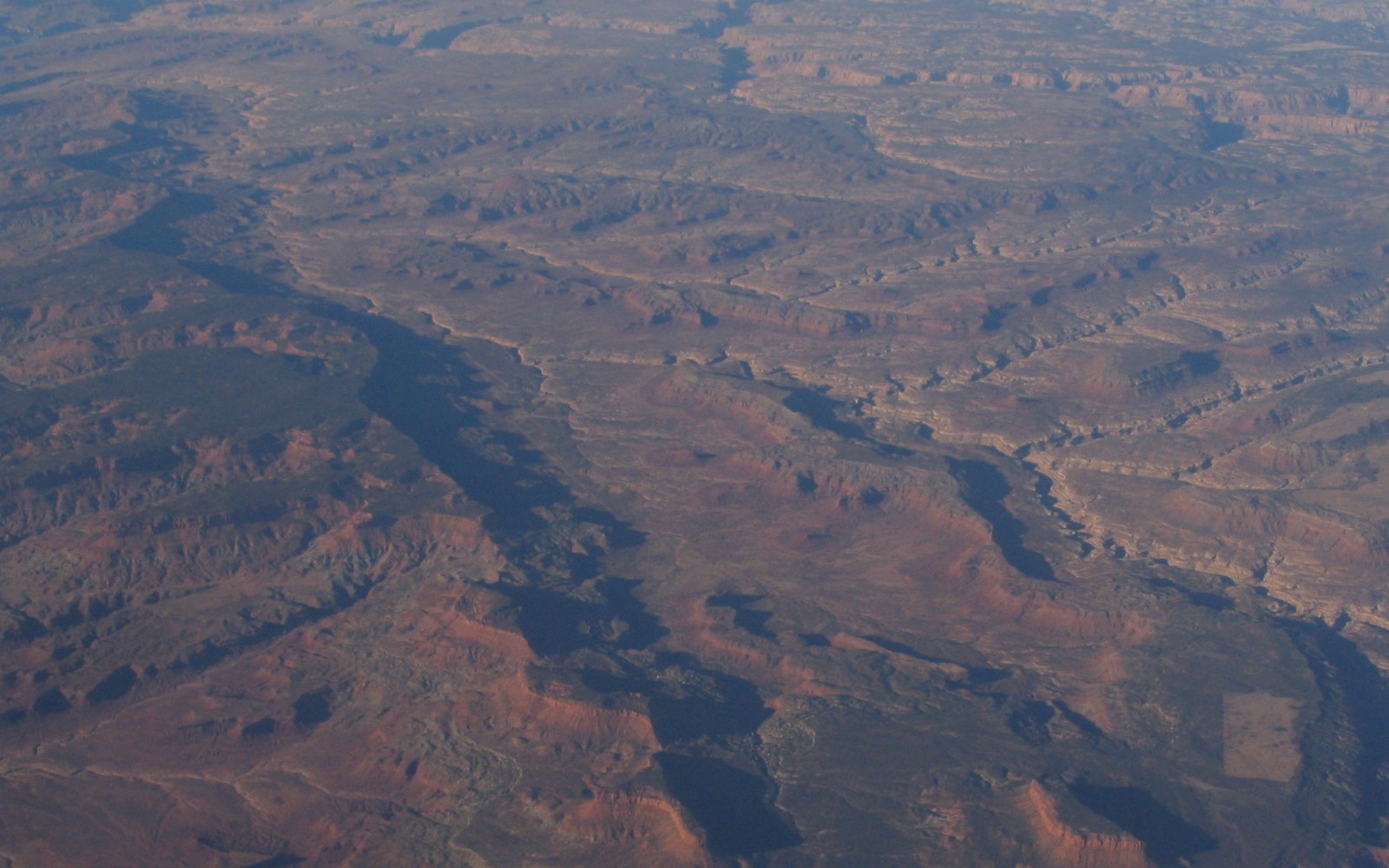
The reservation established in the aftermath of the 1880 Act occupied a strip of land fifteen miles wide and roughly 110 miles long along Colorado's southern border, centered on the La Plata and Pine rivers. Ignacio's agency, the Southern Ute Agency, was located near the settlement that took his name — the town of Ignacio, Colorado, established in La Plata County. The Southern Ute Indian Tribe ↗ today traces its continuous presence on this land directly to the agreements Ignacio secured in the early 1880s.
Allotment Pressure and the 1895 Agreement
Federal policy did not relent after the reservation boundary was drawn. The General Allotment Act of 1887 — the Dawes Act — opened reservation lands to division into individual parcels, with "surplus" land sold to settlers. For the Southern Ute, this produced a critical split. The Southern Ute Agreement of 1895 ↗ opened reservation lands to allotment for those willing to accept individual parcels, while the more traditional bands — who would become the Ute Mountain Ute — sought a separate, consolidated land base further west, eventually centered on the Ute Mountain Ute Reservation abutting Mesa Verde.
Ignacio, by the 1890s an older man, had navigated his people through the most dangerous corridor: the decade when congressional will and settler pressure combined to make complete removal a real possibility. The fact that a Southern Ute reservation survived in southwestern Colorado — and that the tribe retains its land base and federally recognized sovereignty today — is inseparable from his decade of negotiation.
The Reservation Today
The Southern Ute Indian Tribe's reservation, headquartered at Ignacio, Colorado, covers approximately 675,000 acres in La Plata and Archuleta counties, with a checkerboard pattern of trust land and private land reflecting the allotment era. The Ute Mountain Ute Tribe ↗, whose reservation shares a boundary with Mesa Verde National Park, represents the western branch of the same post-1880 division. Both reservations exist because a leader whose name now marks a Colorado town refused, in the most constrained circumstances, to accept that removal was inevitable.