Railroad
The Denver & Rio Grande's 1880 arrival, the 45-mile Silverton line, the locomotives, the canyon shelf, and the fire that tested it.
- 01
Animas City Would Not Meet the Price
The Denver & Rio Grande chose the Durango townsite in 1880 because Animas City refused the railroad's land terms, and the company platted a new town two miles south.
- 02
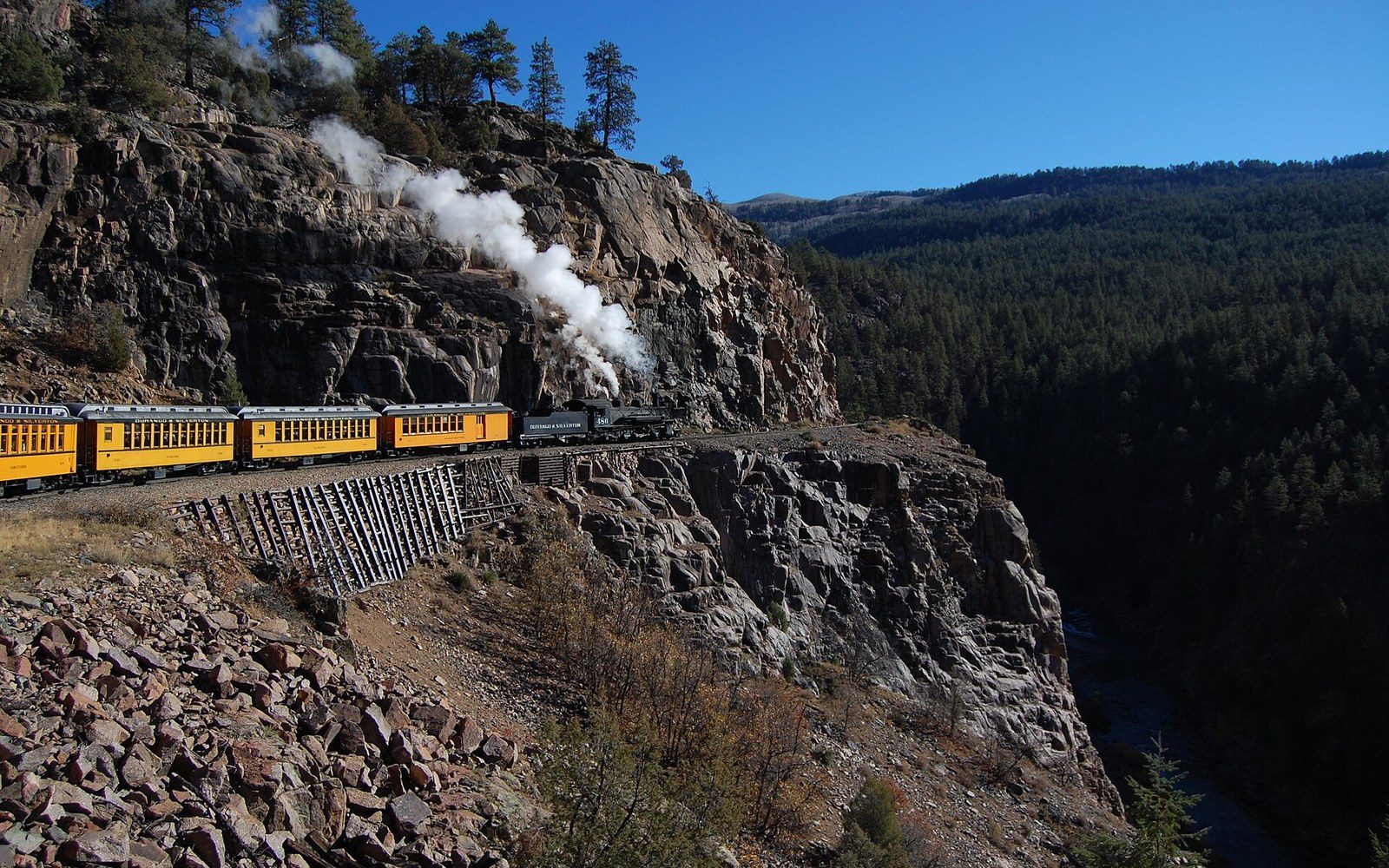
They Cut a Shelf Four Hundred Feet Above the Water and Put No Railing On It
The High Line between Rockwood and Tacoma is the single most dangerous piece of civil engineering on the Silverton route — a ledge blasted into the Animas Cañon wall with nothing between the train and the river below.
- 03
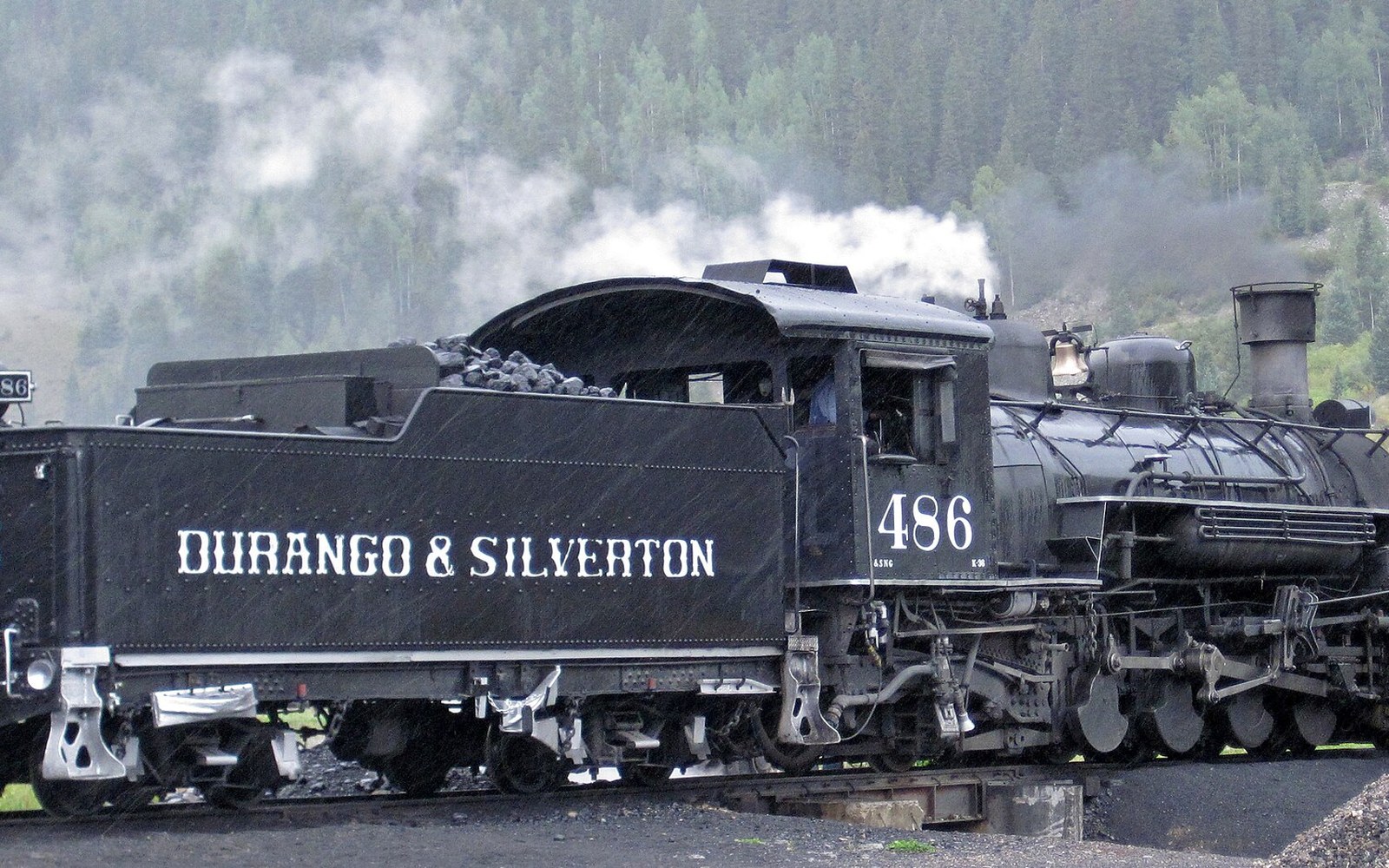
Ten Engines from Baldwin in 1925, and Nine of Them Still Turn a Wheel
The K-28 class arrived in 1923 and the heavier K-36 in 1925; both were built by Baldwin Locomotive Works for the three-foot gauge.
- 04
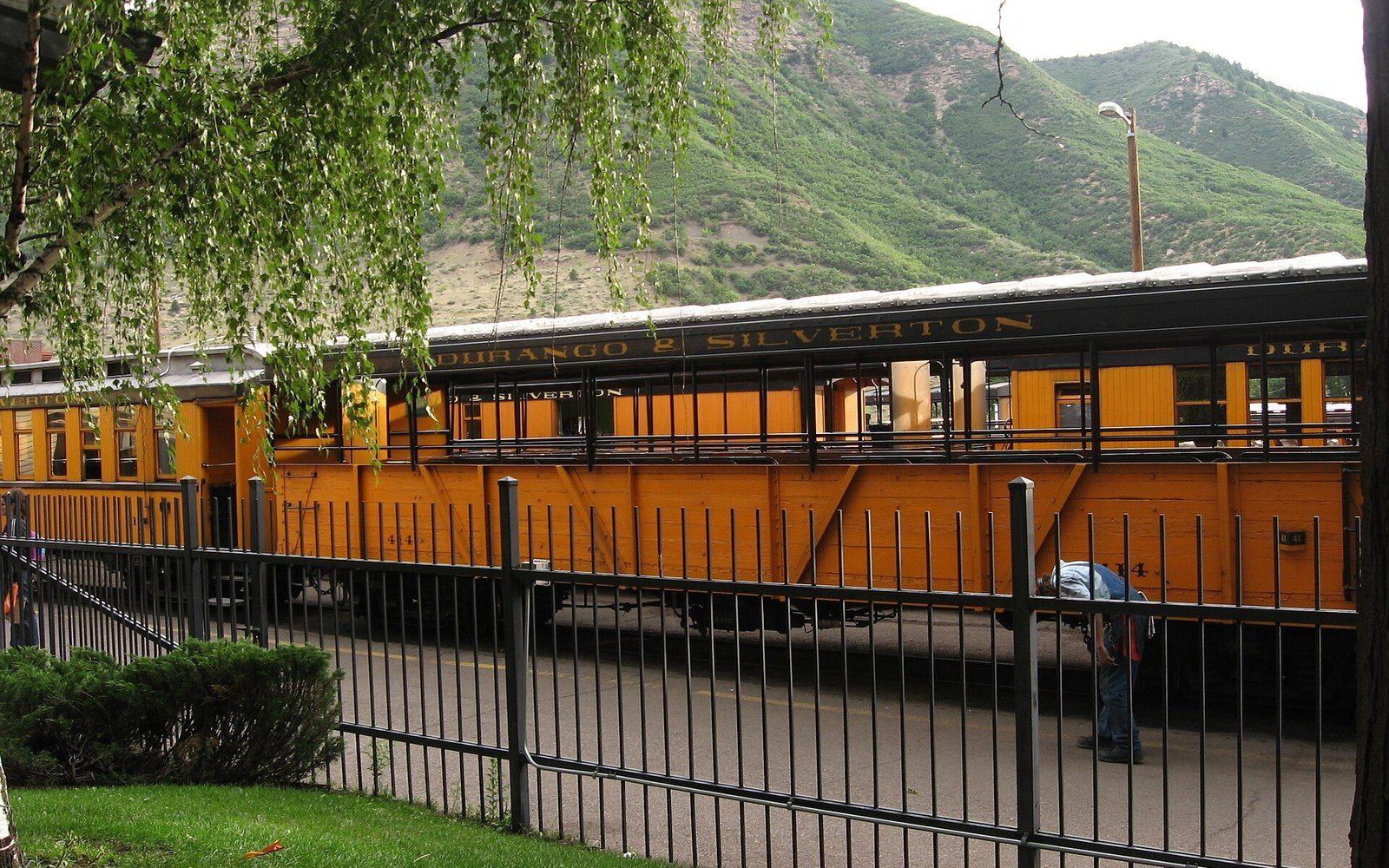
What the Denver & Rio Grande Sold in 1981
When the Southern Pacific (successor to the D&RG) sold the Silverton branch in 1981, the line became the Durango & Silverton Narrow Gauge Railroad under private ownership.
- 05
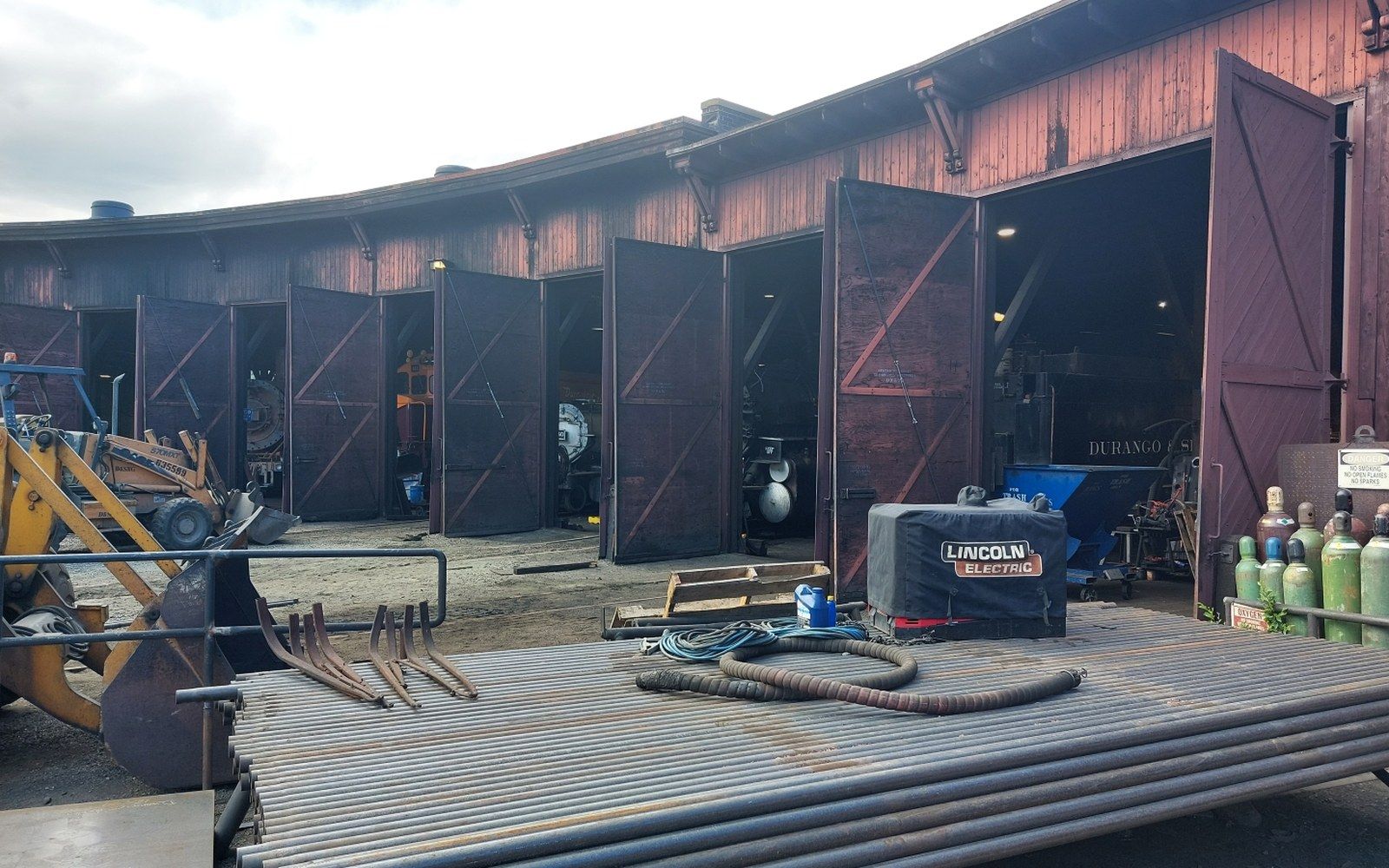
The Roundhouse Fire, February 1989
A fire destroyed much of the Durango roundhouse in February 1989, damaging several locomotives and the shop structure.
- 06
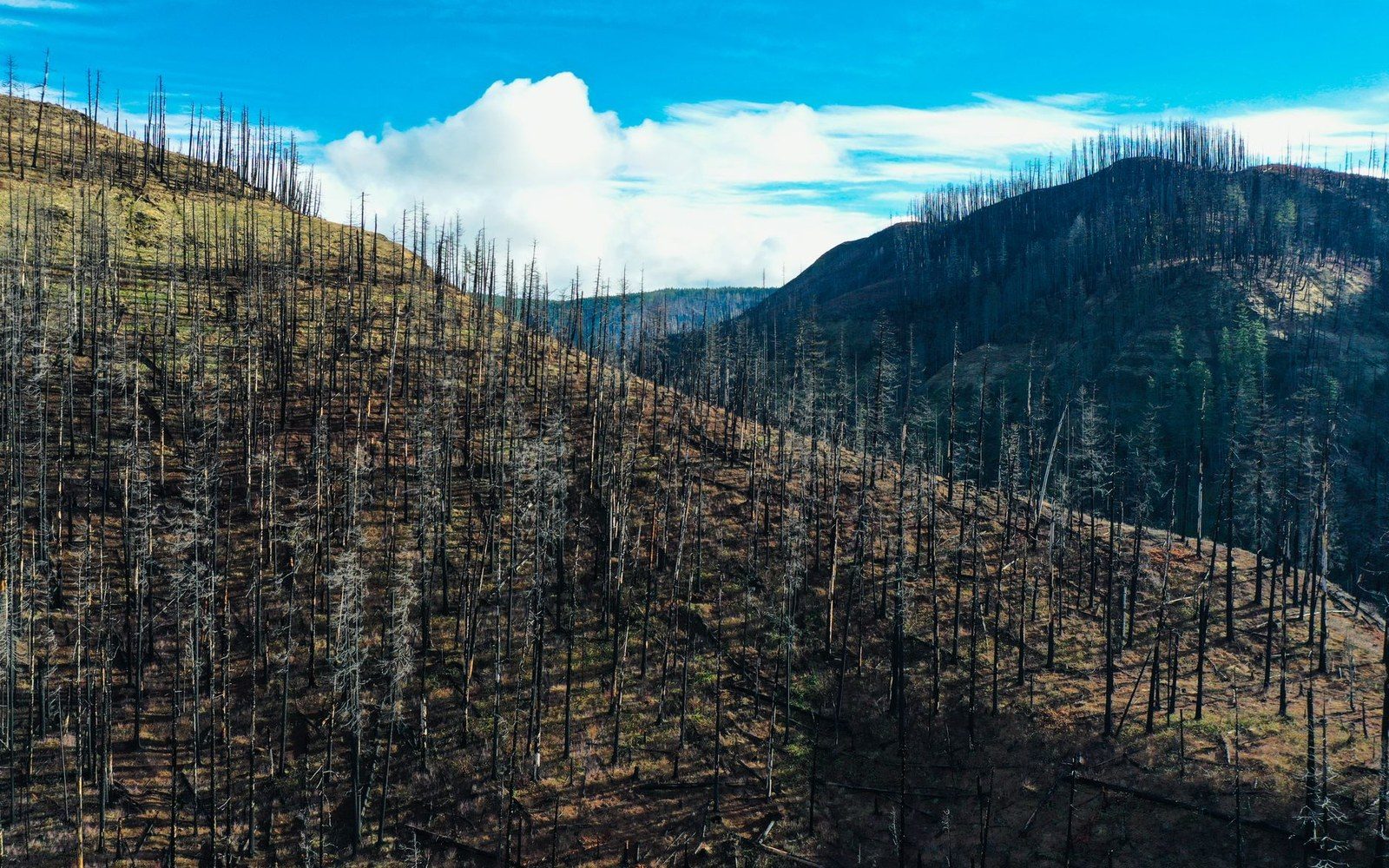
The 416 Fire and the Season the Trains Stopped
The 416 Fire, ignited on 1 June 2018, burned along the Animas Cañon corridor and halted operations on the Durango & Silverton for weeks — the first suspension of the summer season in the railroad's modern history.
- 07
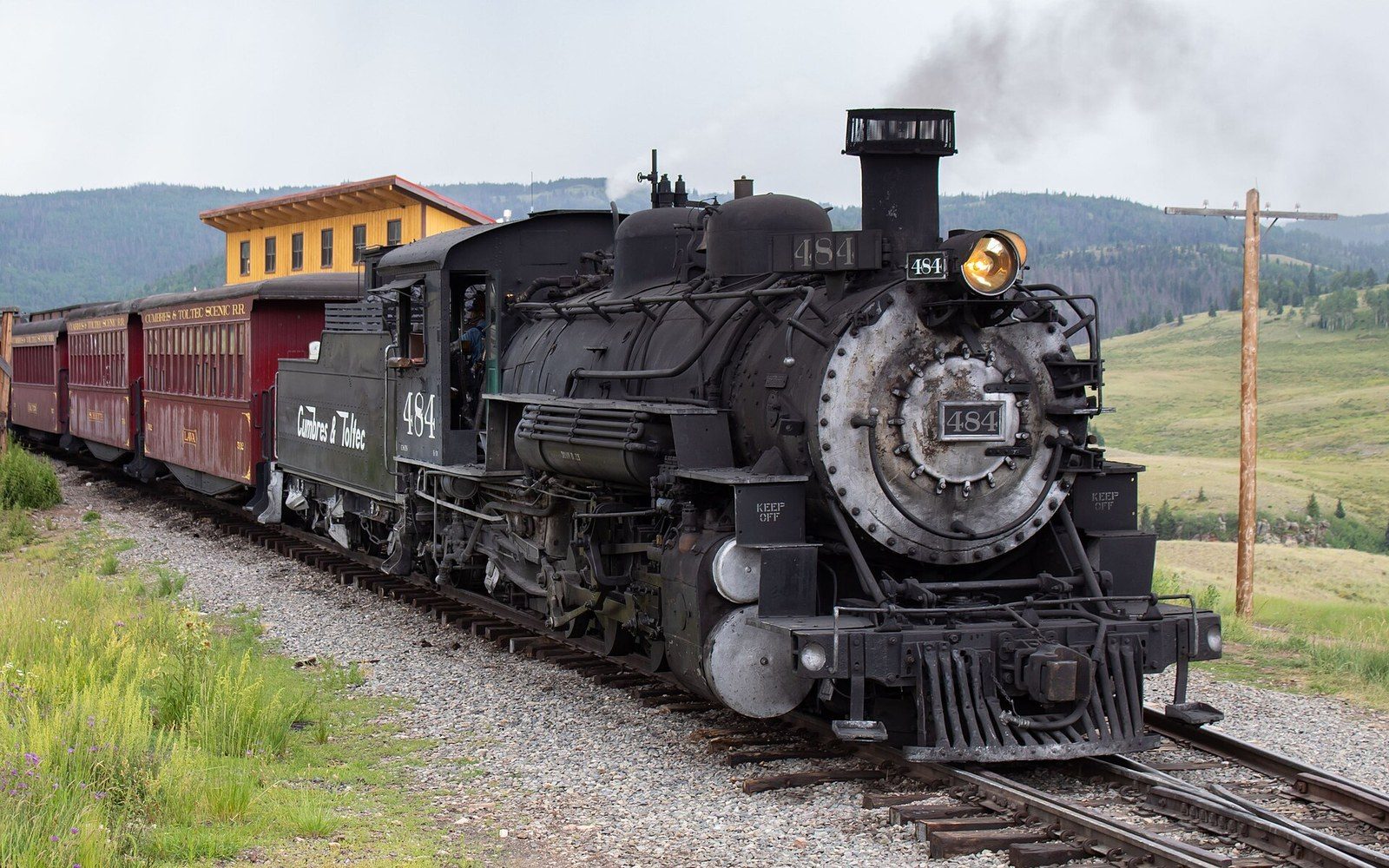
Chama and Antonito: The Other Piece of the Three-Foot Network
The Cumbres & Toltec Scenic Railroad, running 64 miles between Chama, New Mexico and Antonito, Colorado, is the longest surviving narrow-gauge steam railroad in the United States and shares its locomotive heritage with the Durango & Silverton.