Where the Ute Mountain Ute Reservation Meets the Park Boundary
The Ute Mountain Ute Tribe's reservation shares a boundary with Mesa Verde National Park and includes the Ute Mountain Tribal Park, which contains documented cliff dwellings comparable to those in the NPS park.
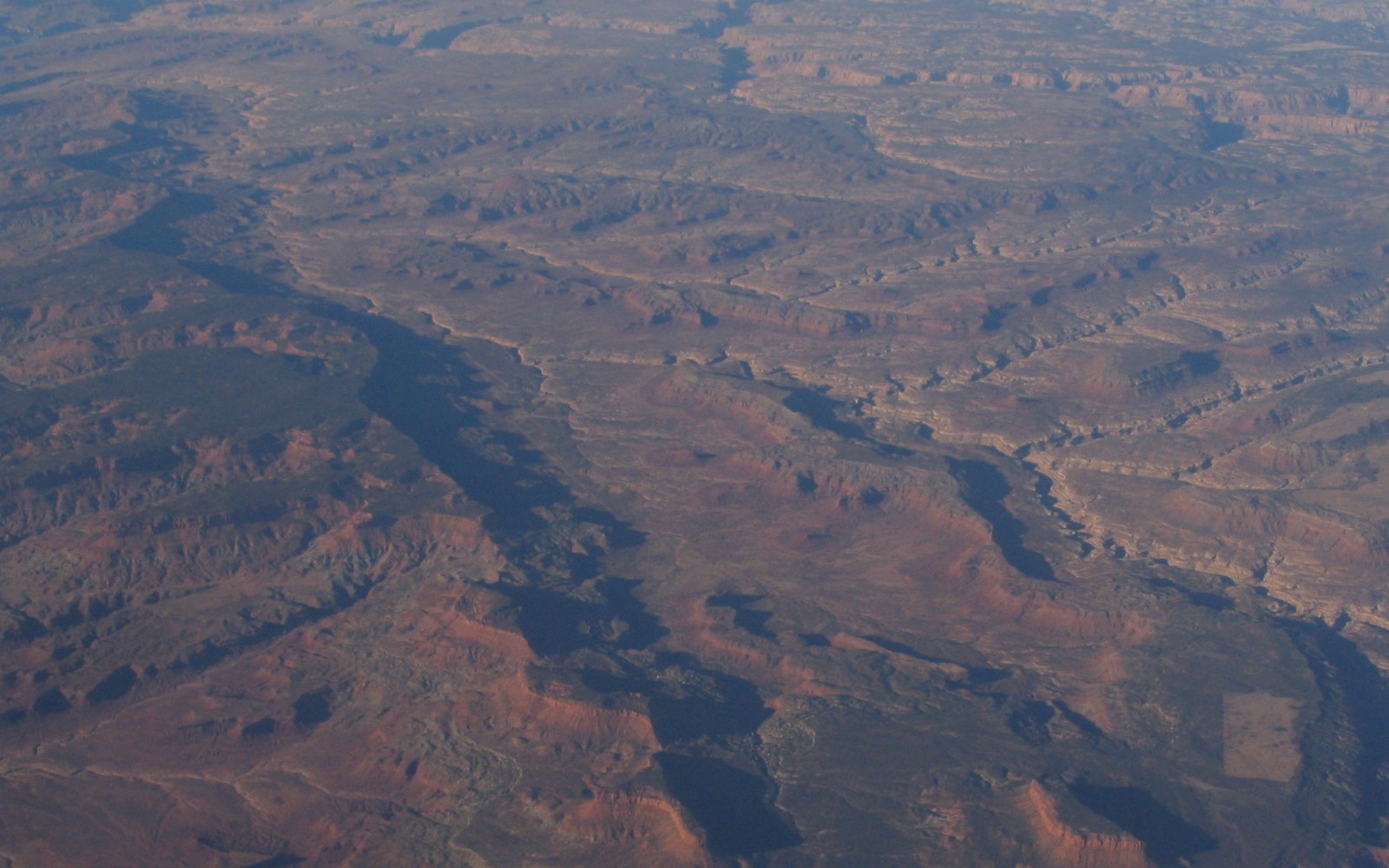
The Ute Mountain Tribal Park sits immediately south of Mesa Verde National Park, enclosing cliff dwellings that rival those the NPS administers — and permits only guided access
A Shared Edge, Two Different Authorities
Mesa Verde National Park occupies the high mesa above Cortez, Colorado, but its southern boundary does not mark the edge of the archaeological record. Immediately below that line lies the Ute Mountain Ute Reservation, and within it the Ute Mountain Tribal Park — a tribally administered preserve of roughly 125,000 acres that extends across terrain geologically continuous with the NPS holdings to the north. The reservation as a whole covers approximately 553,000 acres in the Four Corners region, straddling parts of Colorado, Utah, and New Mexico, and is governed by the Ute Mountain Ute Tribe ↗, one of the three federally recognized bands of the Ute nation.
The boundary between the two jurisdictions is not ceremonial. It marks the point at which federal management gives way to tribal sovereignty. Inside the tribal park, the same Cliff House Sandstone that shelters Cliff Palace at Mesa Verde continues south, and the alcoves cut by that geology into the canyon walls contain cliff dwellings that archaeologists classify alongside those the National Park Service has documented since the late nineteenth century.
The Archaeological Record Inside the Tribal Park
The cliff dwellings within the Ute Mountain Tribal Park include sites in Mancos Canyon and its tributaries that were inhabited, as those at Mesa Verde proper were, by Ancestral Puebloan people during roughly the twelfth and thirteenth centuries. The tribe has not opened those sites to independent visitation; access is available only on guided tours led by Ute Mountain Ute tribal members, a policy that reflects both the tribe's stewardship position and the sensitivity of the unexcavated record. Several of the canyon sites remain unexcavated, giving researchers a baseline that the more heavily visited NPS sites cannot replicate.
The scale of the documented record within the tribal park is substantial. Published surveys have identified hundreds of recorded sites across the tribal park's acreage, including tower structures, storage rooms, and kivas — the circular, semi-subterranean ceremonial chambers characteristic of Ancestral Puebloan construction — in states of preservation that range from collapsed rubble to standing masonry walls. The tribal park's own documentation, undertaken in cooperation with outside archaeologists over several decades, treats the sites as living heritage rather than inert ruin, a distinction the tribe maintains consistently in its public statements.
The Tribe's Position in Relation to Mesa Verde
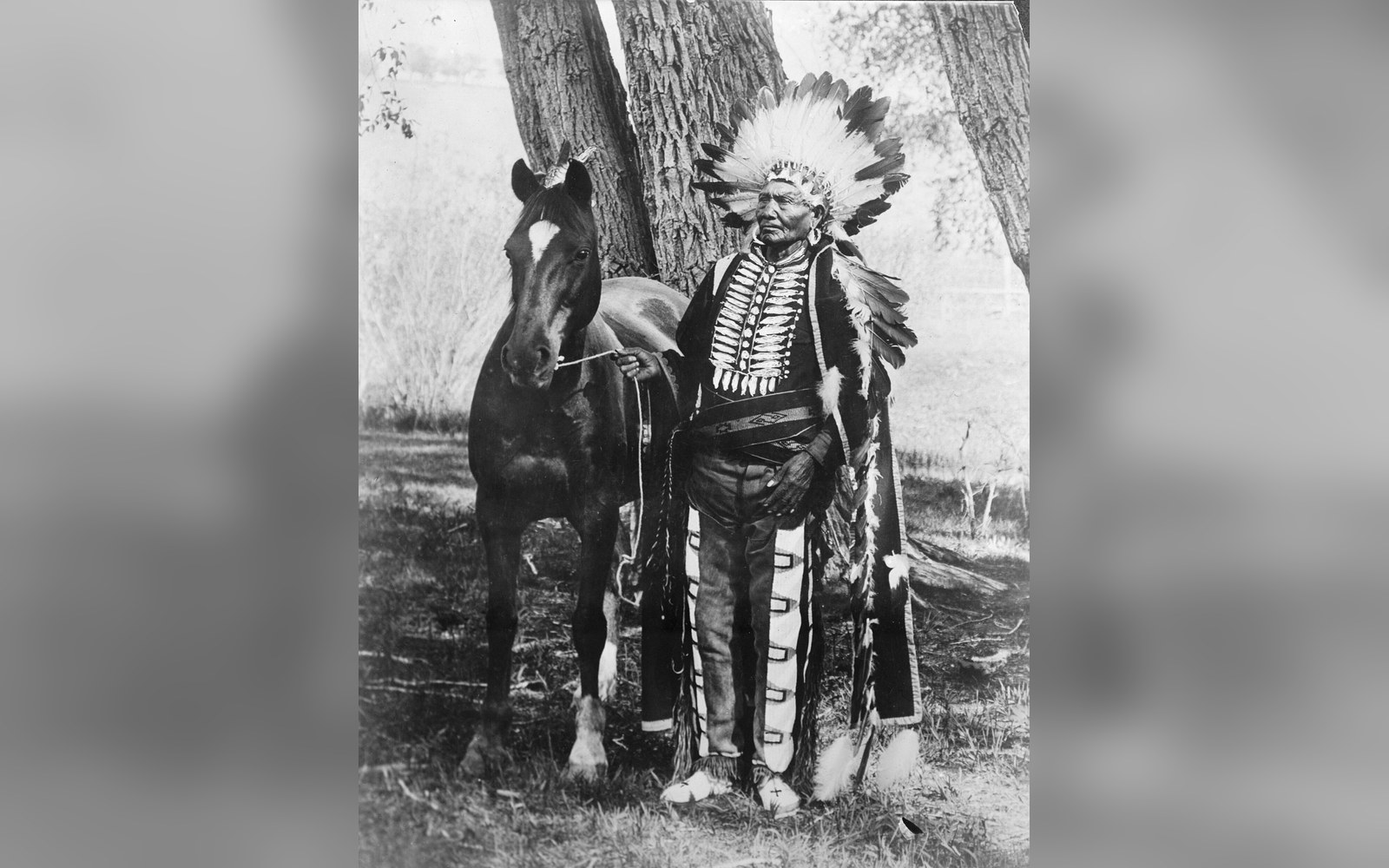
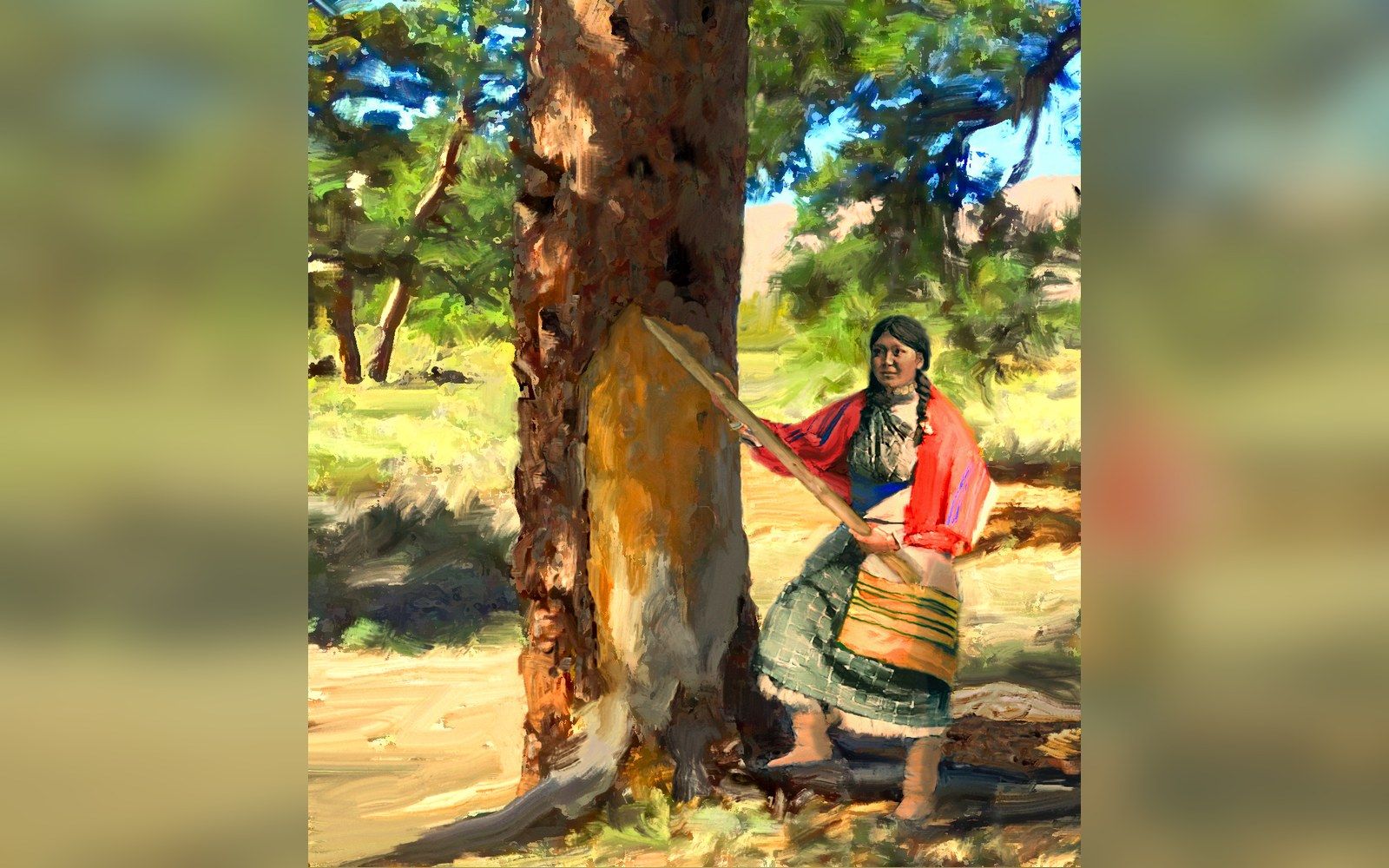
The Ute Mountain Ute Tribe's relationship to the Mesa Verde sites is layered. The Ancestral Puebloan builders of the cliff dwellings are not the same people as the Ute, whose presence in the region long postdates the abandonment of the mesa — the great construction period ended around 1300 CE, and the Ute entered the Colorado Plateau substantially later. The tribe has nonetheless maintained a consistent stewardship claim over the sites within its reservation boundary, grounded in territorial sovereignty rather than direct ancestral connection.
That distinction matters for how the tribal park functions. Where the National Park Service ↗ administers Cliff Palace and Balcony House as national heritage open to mass visitation, the Ute Mountain Ute govern their sites as tribal property, with guided access as the fixed condition of entry. The approach has preserved conditions at those sites that higher-traffic management cannot. For the documented cliff dwellings of Mancos Canyon, the boundary between the two jurisdictions is therefore less a division than a complementary arrangement — one park opened wide, the other held carefully in hand.