Cliff Palace: 150 Rooms, 23 Kivas, One Alcove
Cliff Palace (NPS: approximately 150 rooms, 23 kivas) is the largest cliff dwelling in North America by room count, built into a single sandstone alcove on the mesa's south-facing cliff.
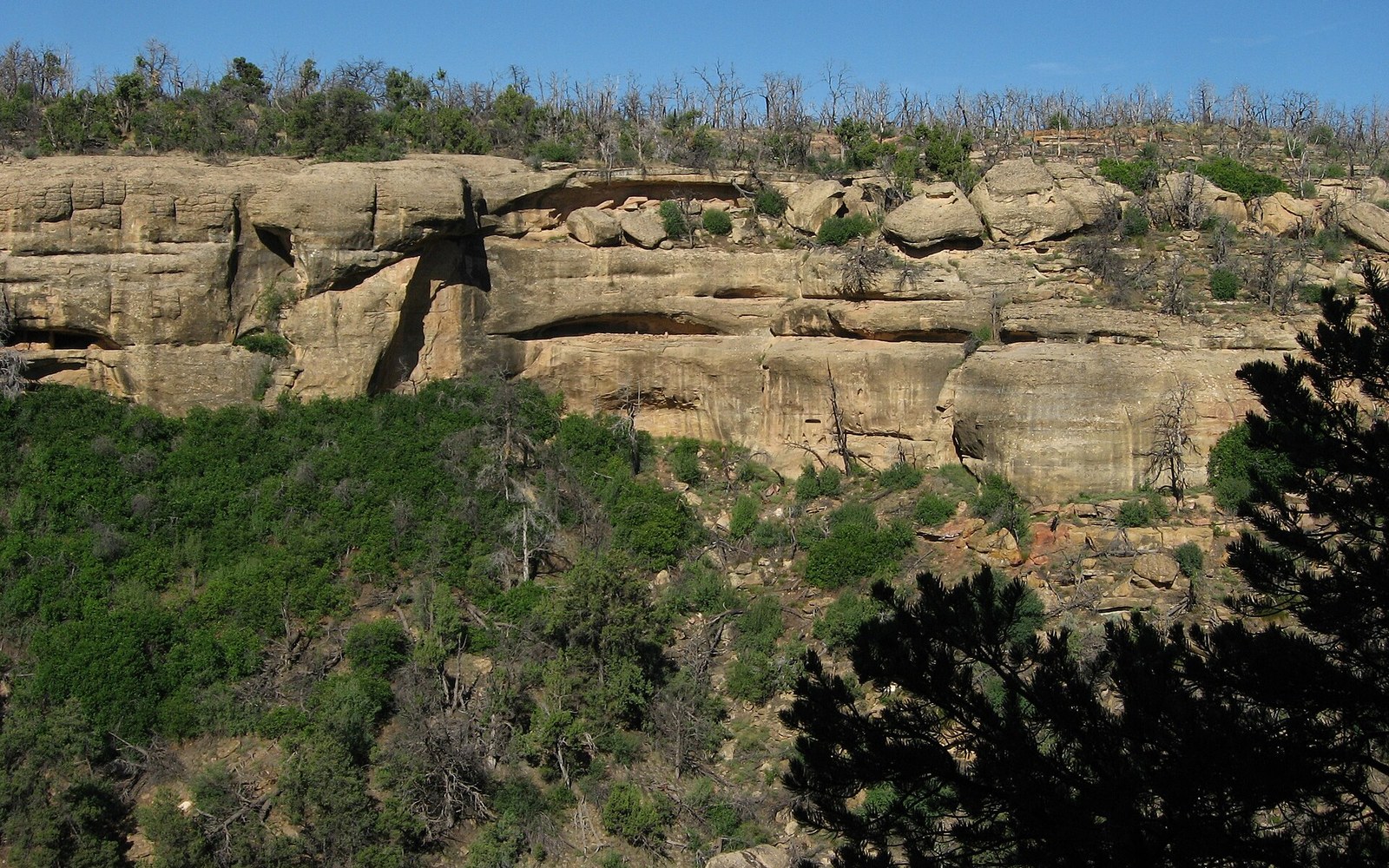
The largest cliff dwelling in North America was built inside a single sandstone recess, room by room, over roughly a century.
What the Alcove Contains
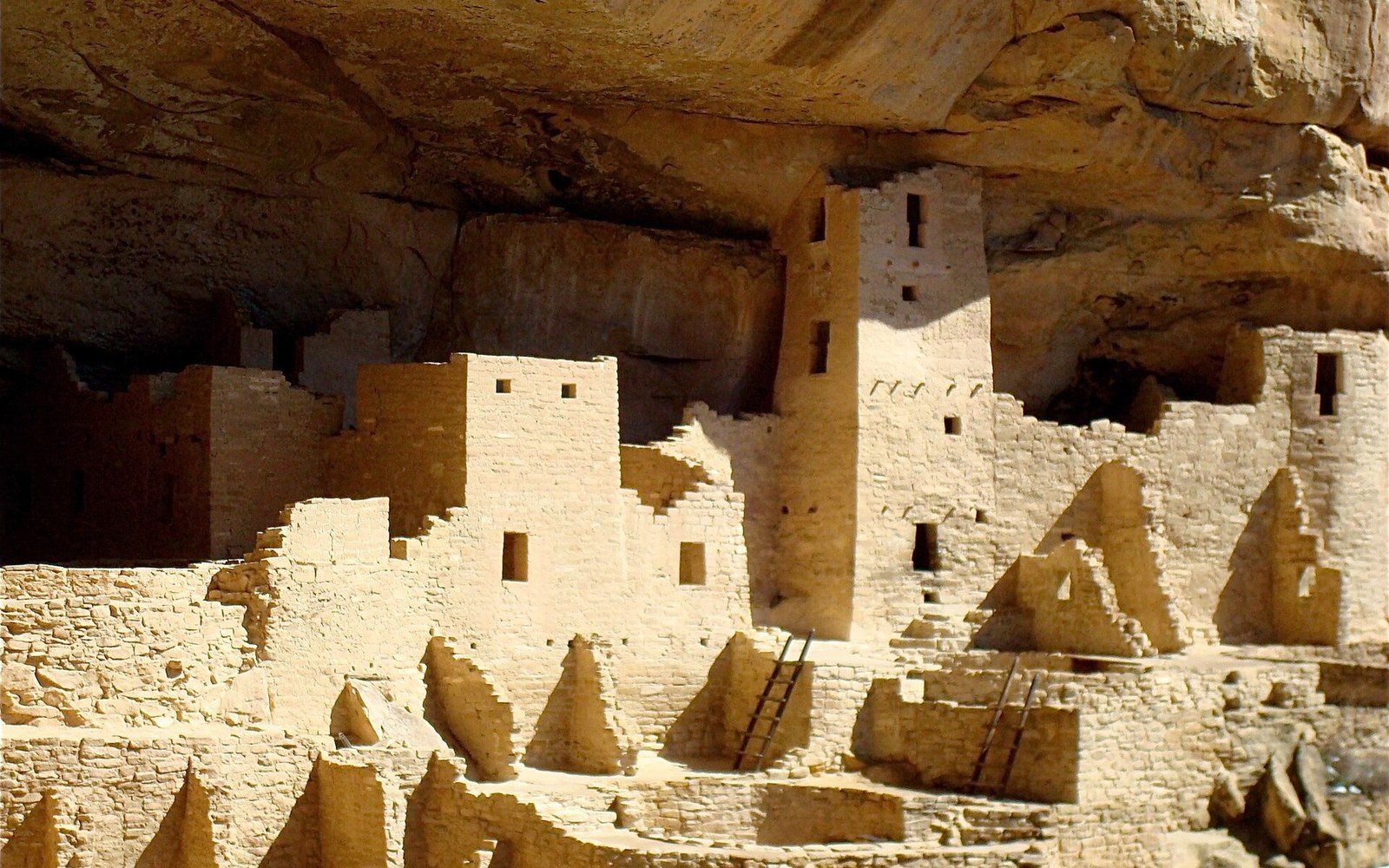
Cliff Palace sits in a natural alcove eroded into the Cliffhouse Sandstone formation on the south-facing wall of Cliff Canyon, within what is now Mesa Verde National Park ↗. The National Park Service inventory records approximately 150 rooms and 23 kivas — circular, semi-subterranean ceremonial chambers — along with several towers whose function remains a subject of archaeological debate. No other cliff dwelling on the Colorado Plateau contains as many rooms within a single alcove.
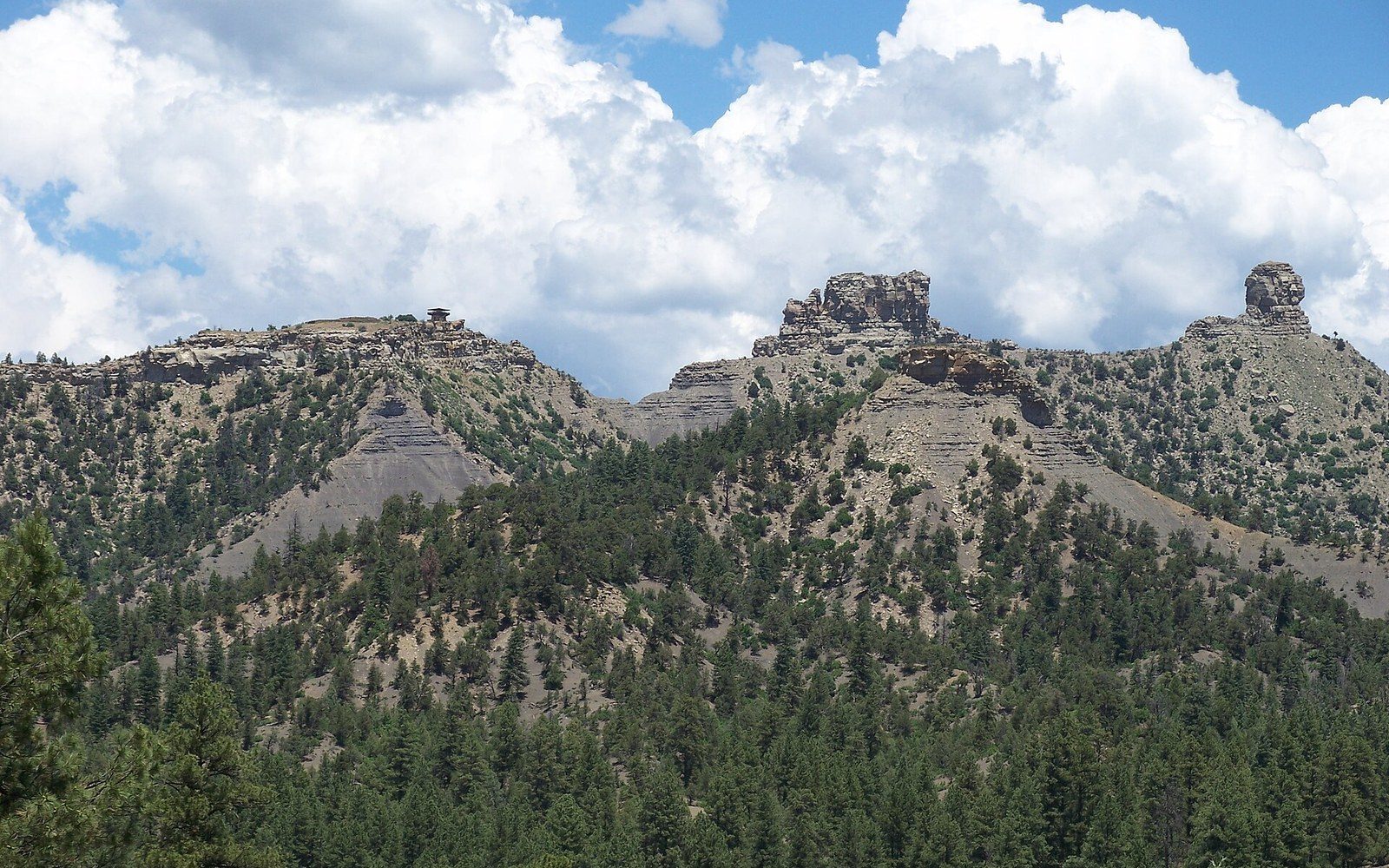
The recess itself is roughly 200 feet wide and 90 feet deep, formed as water seeped through the porous sandstone cap and dissolved the softer stone beneath, opening a cavity large enough to shelter a substantial village. That natural geometry determined everything: the builders could not choose a different footprint. They worked within what the cliff had already made.
Construction materials were drawn from the immediate landscape. Masonry walls were raised in coursed sandstone, the blocks shaped with harder stone tools and laid in a distinctive style that changed across the occupation period — earlier walls tend toward a simpler coursing, while later construction shows more refined pecking and dressing of the block faces. The bonding mortar was a mixture of soil, water, and ash. Plaster, applied over interior and exterior wall surfaces, was made from similar materials and in some rooms survives in fragments still showing painted decoration.
The Occupation Window
The NPS places the primary occupation of Cliff Palace between approximately AD 1190 and AD 1300. Tree-ring dating — dendrochronology applied to timber samples recovered from the site — has anchored construction episodes to specific decades within that range, establishing that the site was not built at once but expanded and modified repeatedly across several generations. Population estimates vary in the scholarly literature, but the architectural evidence — sleeping rooms, storage rooms, and the distribution of hearths — supports the interpretation that several dozen people lived here year-round, with the kivas serving communal functions for a larger social group.
By the end of the thirteenth century, the Ancestral Puebloan communities of Mesa Verde had moved south, toward the Rio Grande drainage and the regions of present-day Arizona and New Mexico where their descendants, the modern Pueblo peoples, remain. The reasons are documented in the environmental record: a prolonged drought in the 1270s and 1280s, identified through tree-ring data compiled by researchers at the Laboratory of Tree-Ring Research at the University of Arizona ↗, coincided with the depopulation of the entire mesa. Cliff Palace was not abandoned in isolation; the withdrawal was regional.
The Structure Since 1888
Richard Wetherill and Charlie Mason reached Cliff Palace on 18 December 1888, crossing the mesa in snow and looking down into the alcove from the rim. Their account described rooms still roofed, walls standing to their original height in places, and ceramics on the floors — a condition that reflected both the sheltering effect of the overhanging rock and the site's absence from the documentary record in the years since abandonment.
Gustaf Nordenskiöld conducted the first systematic excavation at Mesa Verde in 1891, and his published record, The Cliff Dwellers of the Mesa Verde, remains a primary source for the site's early documented state. The NPS assumed stewardship when Mesa Verde was designated a national park in 1906, and stabilization work has continued across the intervening century — repointing mortar joints, consolidating unstable wall sections, and monitoring the alcove's hydrology, since water moving through the sandstone above remains the principal threat to what survives below.
The room count, the kiva count, and the alcove dimensions are cited regularly in the archaeological literature as benchmarks. Cliff Palace is not simply the largest site on the mesa; it is the reference point against which every other cliff dwelling in the Southwest is measured.