Somebody Found Cliff Palace in a Snowstorm on the Eighteenth of December
Two ranchers tracking cattle through a December blizzard looked across a canyon and saw a city in the rock.
The Day of the Find
The morning of 18 December 1888 was cold and worsening when Richard Wetherill and his brother-in-law Charlie Mason rode across the Mesa Verde plateau in search of stray cattle. Both men worked the Alamo Ranch in the Mancos Valley below, and they knew the mesa well enough to be out in deteriorating weather. What they did not know — and what no non-Native person had yet recorded — was what sat in the alcoves of the canyon rims above them.
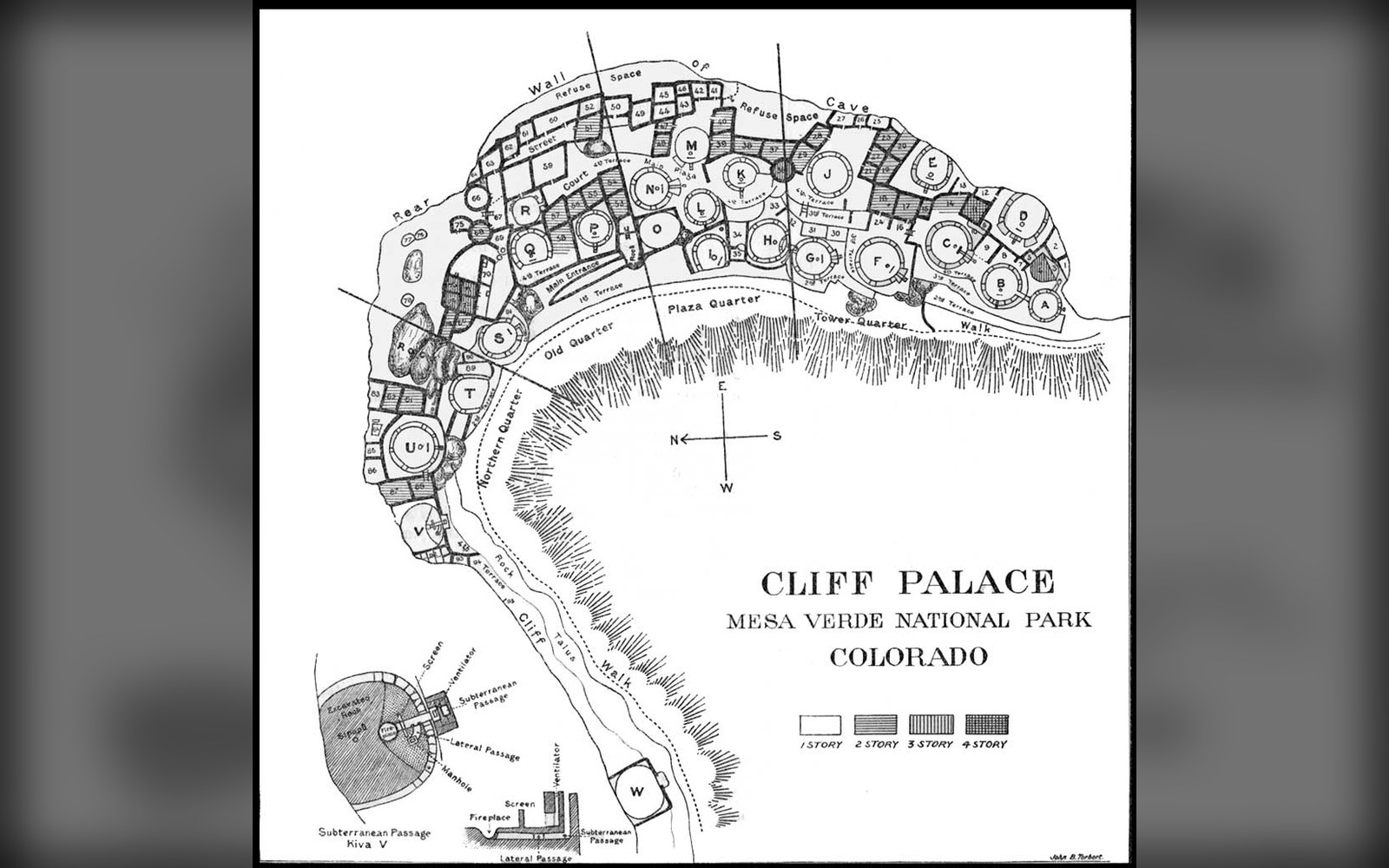
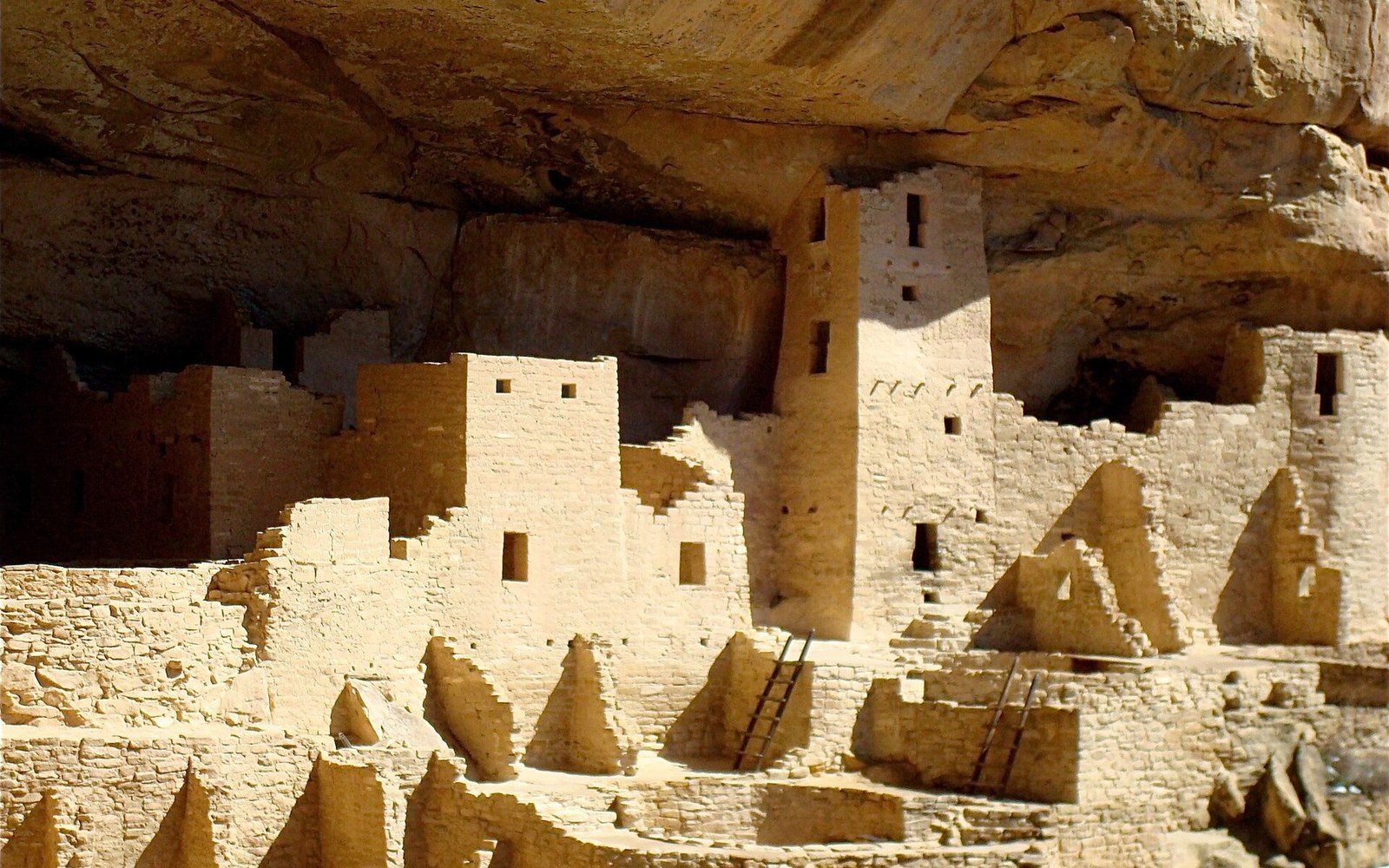
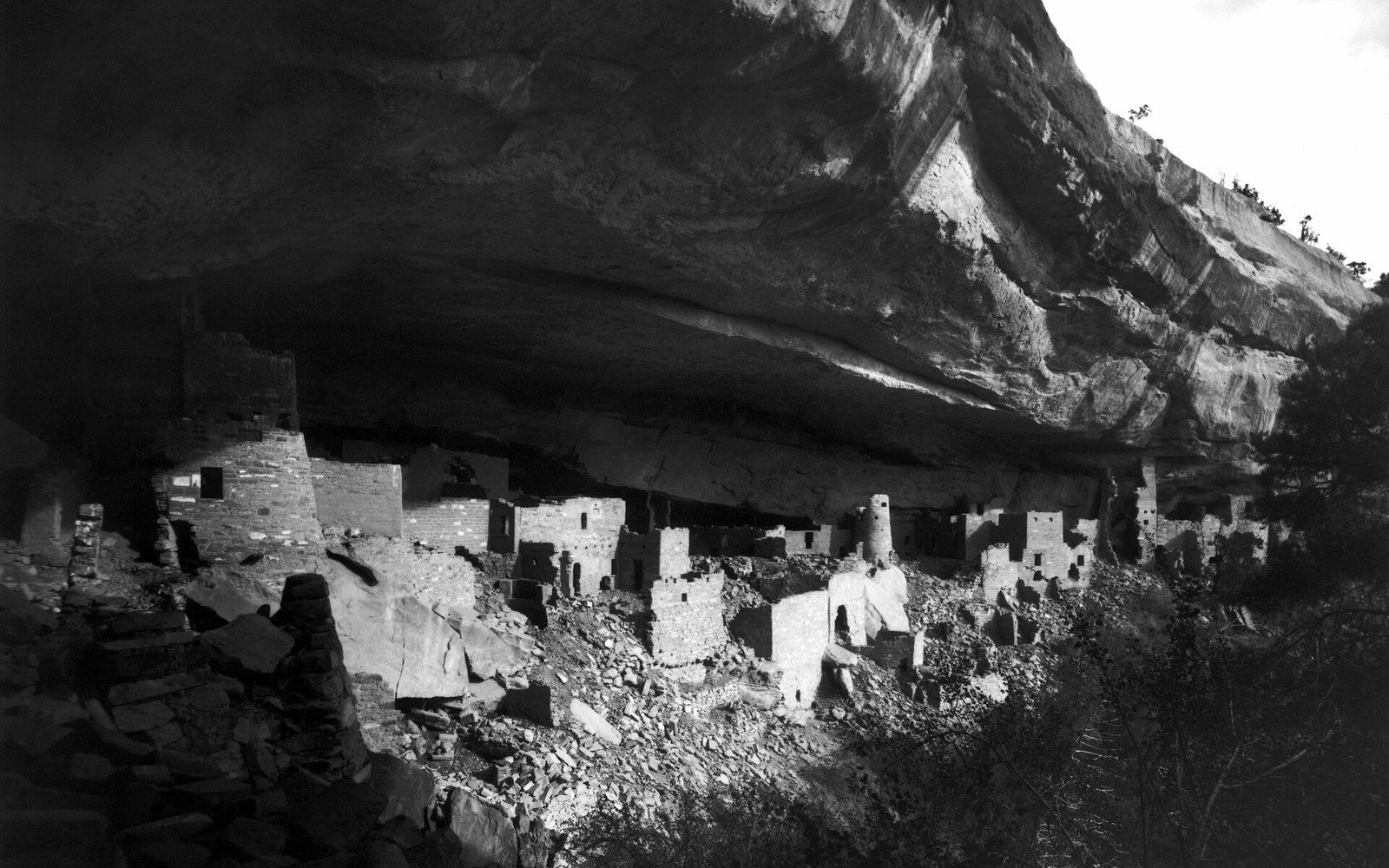
Crossing toward the Chapin Mesa drainage, they reached a point from which they could see, through blowing snow, a vast sandstone alcove in the far canyon wall. Inside it stood a multi-story masonry city: towers, kivas, about 150 rooms arranged in terraces under the curving rock ceiling. Wetherill later said the sight stopped them where they stood. They left their horses, crossed the canyon on a makeshift ladder of poles lashed together, and entered Cliff Palace that same afternoon — the first documented non-Native entry into the structure. Mason returned the following day with a survey and rough measurements.
The two men were not operating entirely without context. The Ute people of the region had long known of cliff dwellings on the mesa and, by some accounts, guided Anglo ranchers toward the canyons in earlier years. The date of 18 December 1888 represents the first documented, named sighting by non-Native observers, not the first knowledge of the site's existence.
The Wetherills After 1888
Richard Wetherill and his brothers — Benjamin Alfred, John, Clayton, and Winslow — spent the following years excavating across Mesa Verde and the wider Four Corners region. Working without formal archaeological training and under no federal oversight (the Antiquities Act that would have constrained them was not signed until 1906), they removed thousands of objects: ceramics, textiles, skeletal remains, tools. Much of that material was sold to eastern museums or to private collectors, leaving Mesa Verde's stratigraphic record permanently disrupted.
The most consequential outside intervention came in 1891, when Gustaf Nordenskiöld, a young Swedish geologist, arrived at the mesa, worked alongside the Wetherills for a season, and shipped a systematic collection of artifacts to what is now the National Museum of Finland in Helsinki — where they remain today. Nordenskiöld published The Cliff Dwellers of the Mesa Verde in 1893, the first scientific monograph on the site, and its documentation gave researchers a baseline that the Wetherills' less systematic excavations had not provided.
Richard Wetherill went on to excavate at Chaco Canyon in New Mexico and was killed there in 1910 under disputed circumstances. His family's role at Mesa Verde is now understood as both pioneering and destructive — the men who brought the site to national attention were also the agents of its most damaging early disturbance.
What the National Park Service Holds
Mesa Verde became a national park in 1906, the same year the Antiquities Act was signed, making it one of the first American parks established explicitly to protect archaeological resources rather than natural scenery. According to the National Park Service ↗, Cliff Palace contains approximately 150 rooms and 23 kivas arranged within a single alcove that measures roughly 216 feet wide and 89 feet deep. It remains the largest cliff dwelling in North America.
NPS stabilization work has continued across the twentieth and twenty-first centuries, addressing both structural deterioration of the original masonry and erosion of the alcove ceiling above it. The Ancestral Puebloan builders occupied the site for roughly a century before abandoning the mesa — along with the wider Four Corners region — by approximately 1300 CE. The reasons for that departure, whether drought, resource depletion, social disruption, or a combination, remain a subject of active scholarly discussion, not settled fact.
The alcove that sheltered Cliff Palace through some six centuries of abandonment before Wetherill and Mason arrived is the same feature that preserved it: deep enough to block most direct rainfall, oriented to catch winter sun against the south-facing cliff. What the two men saw in the snow on 18 December 1888 had been waiting, largely intact, since the thirteenth century.