Gustaf Nordenskiöld's 1891 Excavation, and the Crate That Went to Finland
Swedish geologist Gustaf Nordenskiöld arrived at Mesa Verde in 1891, conducted systematic excavations at Cliff Palace and other sites, and shipped 614 objects to Finland — now held by the National Museum of Finland in Helsinki.
A Swedish Geologist Arrives at Mesa Verde with a Camera and a Methodology
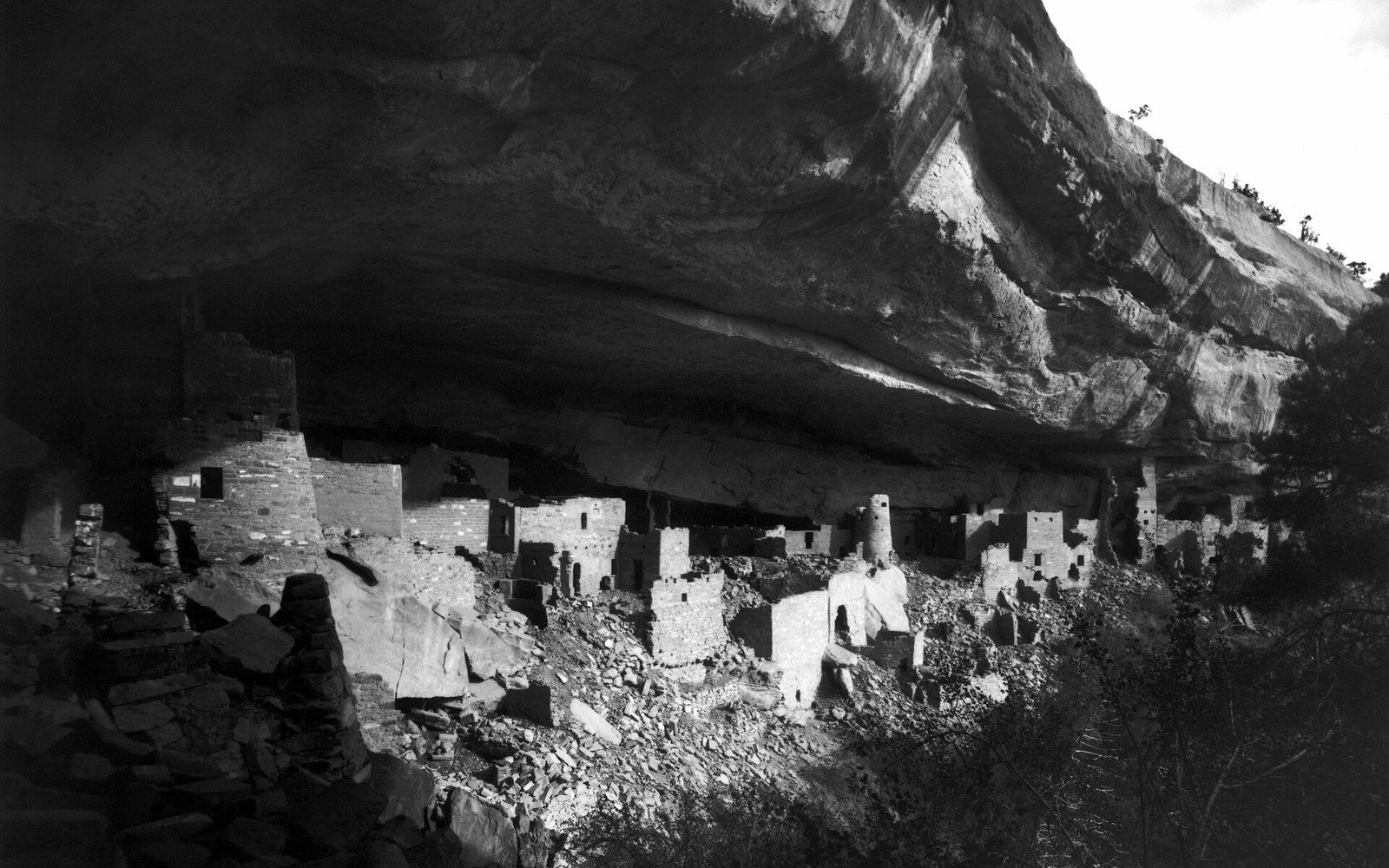
Gustaf Nordenskiöld was twenty-three years old when he rode out to Mesa Verde in the summer of 1891, barely three years after Richard Wetherill and Charlie Mason crossed the plateau in a snowstorm and stumbled onto Cliff Palace. Where the Wetherill family had excavated with rancher's instincts — digging fast, selling artifacts to offset struggling cattle operations — Nordenskiöld arrived with a geologist's training, a systematic notebook, and a dry-plate camera. The son of the Arctic explorer Adolf Erik Nordenskiöld, he was already familiar with scientific fieldwork, and he treated the cliff dwellings not as curiosities but as a stratigraphic record.
Over the summer he excavated at Cliff Palace, Spruce Tree House, and several smaller alcove sites on Chapin Mesa, numbering each unit, mapping room relationships, and photographing the architecture before disturbing it. His field notes recorded the provenance of individual objects — ceramic vessels, bone tools, woven sandals, skeletal remains — in a manner that set his collection apart from the unsystematic digging that had preceded and would follow him. The result was a corpus of 614 catalogued objects, crated and shipped first to Denver and then, via the East Coast, to Helsinki, Finland.
The Arrest, the Charges, and the Absence of Any Law
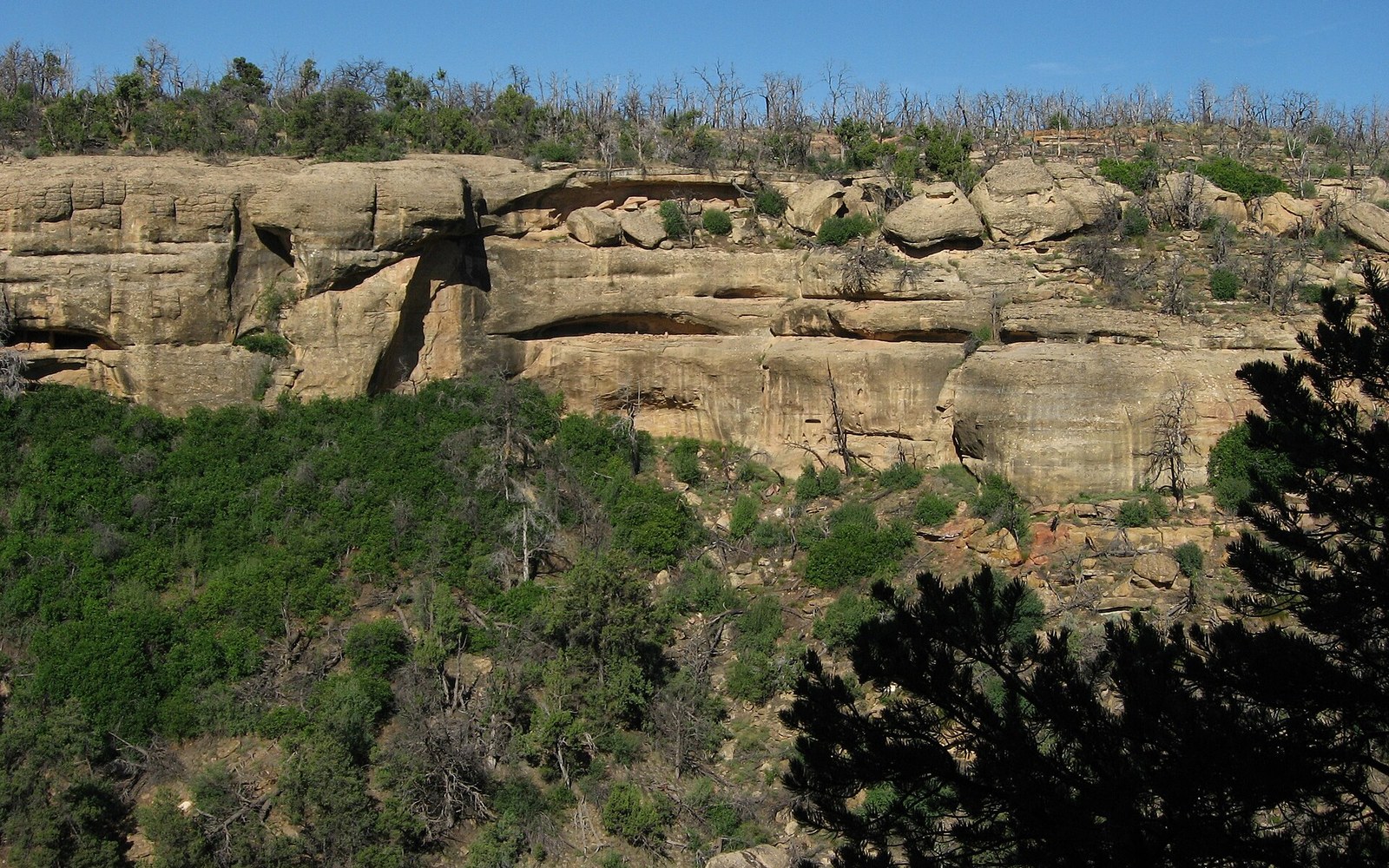
The crates had not yet left Colorado when the citizens of Durango moved to stop them. In August 1891 Nordenskiöld was arrested in Durango on charges related to the removal of antiquities from public land. The legal difficulty, quickly apparent to the authorities, was that no such law existed. The United States had made no statutory provision protecting archaeological sites on federal land; the public domain was open, and what a man could dig out of it he was free to carry away. Nordenskiöld was released, the charges could not stand, and the crates continued their journey to Helsinki.
His monograph, The Cliff Dwellers of the Mesa Verde, was published in Stockholm in 1893 — translated into English the same year — and remains a primary document of the Ancestral Puebloan built record at Mesa Verde. It reproduced his photographs, described his room-by-room inventory, and introduced a European scientific audience to a site most Americans had not yet heard of. Nordenskiöld died of tuberculosis in 1895 at twenty-six, never seeing how thoroughly his thin monograph would outlast him.
The 1906 Antiquities Act, and the Collection That Prompted It
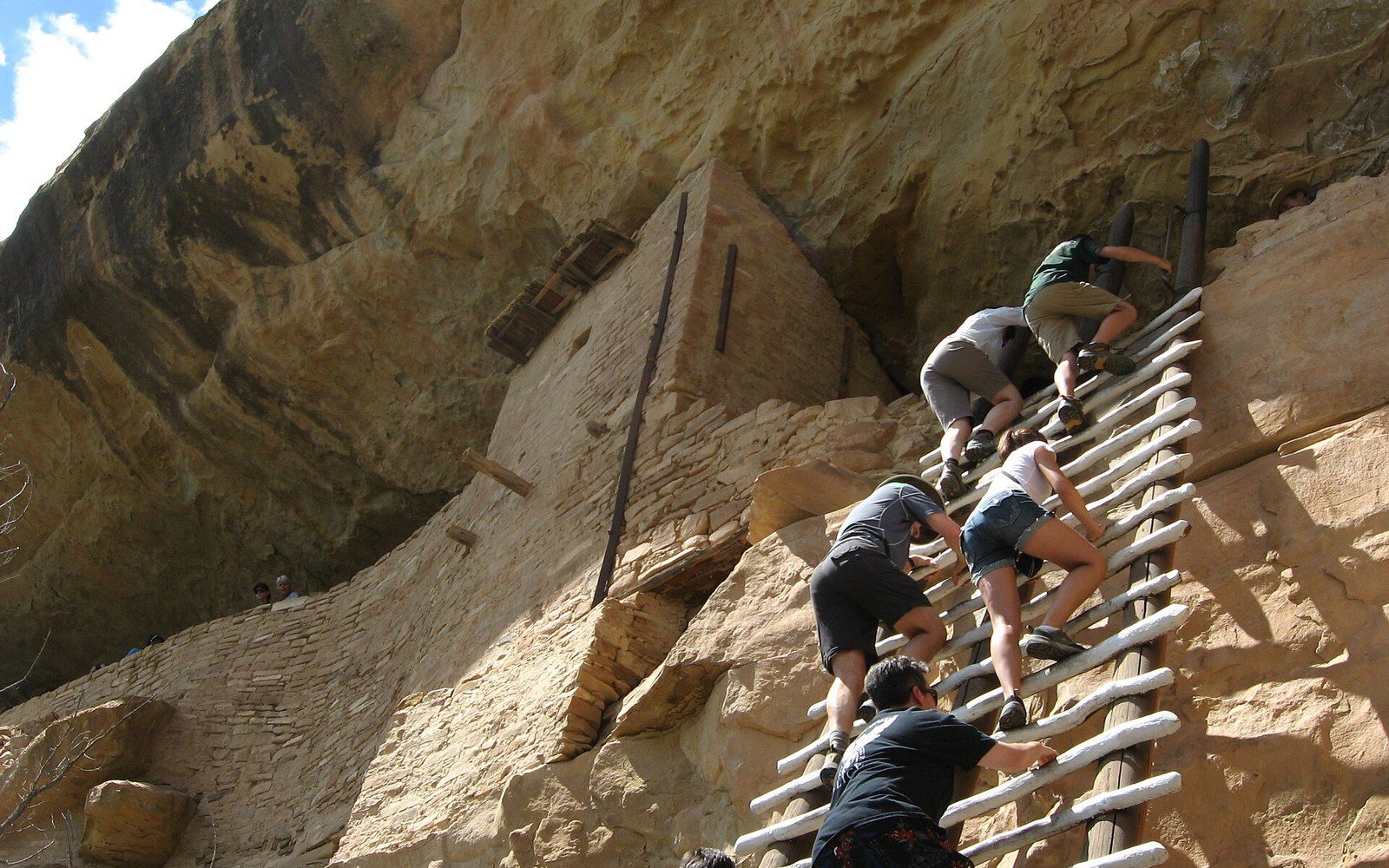
The legal vacuum that released Nordenskiöld in 1891 became impossible to ignore as the decade wore on. Artifact collectors, pot hunters, and commercial dealers worked the Colorado Plateau with no restriction. Congress attempted and failed to pass protective legislation several times through the 1890s before the Antiquities Act became law on 8 June 1906, signed by President Theodore Roosevelt. The Act authorized the President to designate national monuments on federal land and made the excavation or removal of antiquities without a permit a federal offense — precisely the act Nordenskiöld had committed, and which no court in 1891 had been able to prosecute.
Mesa Verde itself was established as a National Park in 1906, the same year as the Act. The timing was not coincidence; the Nordenskiöld episode had been cited repeatedly in the legislative record as evidence that goodwill and professional conduct were not a sufficient substitute for statute.
The 614 objects remain in the National Museum of Finland in Helsinki ↗, where they constitute one of the most rigorously documented Ancestral Puebloan collections outside the United States. Requests for repatriation have been raised but the collection has not been returned; it sits in Helsinki as a permanent record of the gap between scientific intent and legal accountability, and of the fifteen years it took Congress to close that gap after a twenty-three-year-old Swede walked out of Colorado with what the law, at that moment, allowed him to take.