The Depot That the Railroad Built Twice
Fire took the first one in 1899; the Denver & Rio Grande replaced it the following year with the sandstone building that still anchors the south end of Main Avenue.
The 1882 Original and Its End
The Denver & Rio Grande Railroad ↗ completed its three-foot narrow-gauge line into Durango in July 1881 and pressed on to Silverton by the summer of 1882. The passenger depot it raised that same year at the foot of Main Avenue was a frame structure in keeping with the railroad's early-period mountain-division stations — functional, quick to build, and, as events proved, vulnerable. A fire in 1899 consumed the original building, leaving the railroad without a proper passenger facility at its busiest southwestern junction.
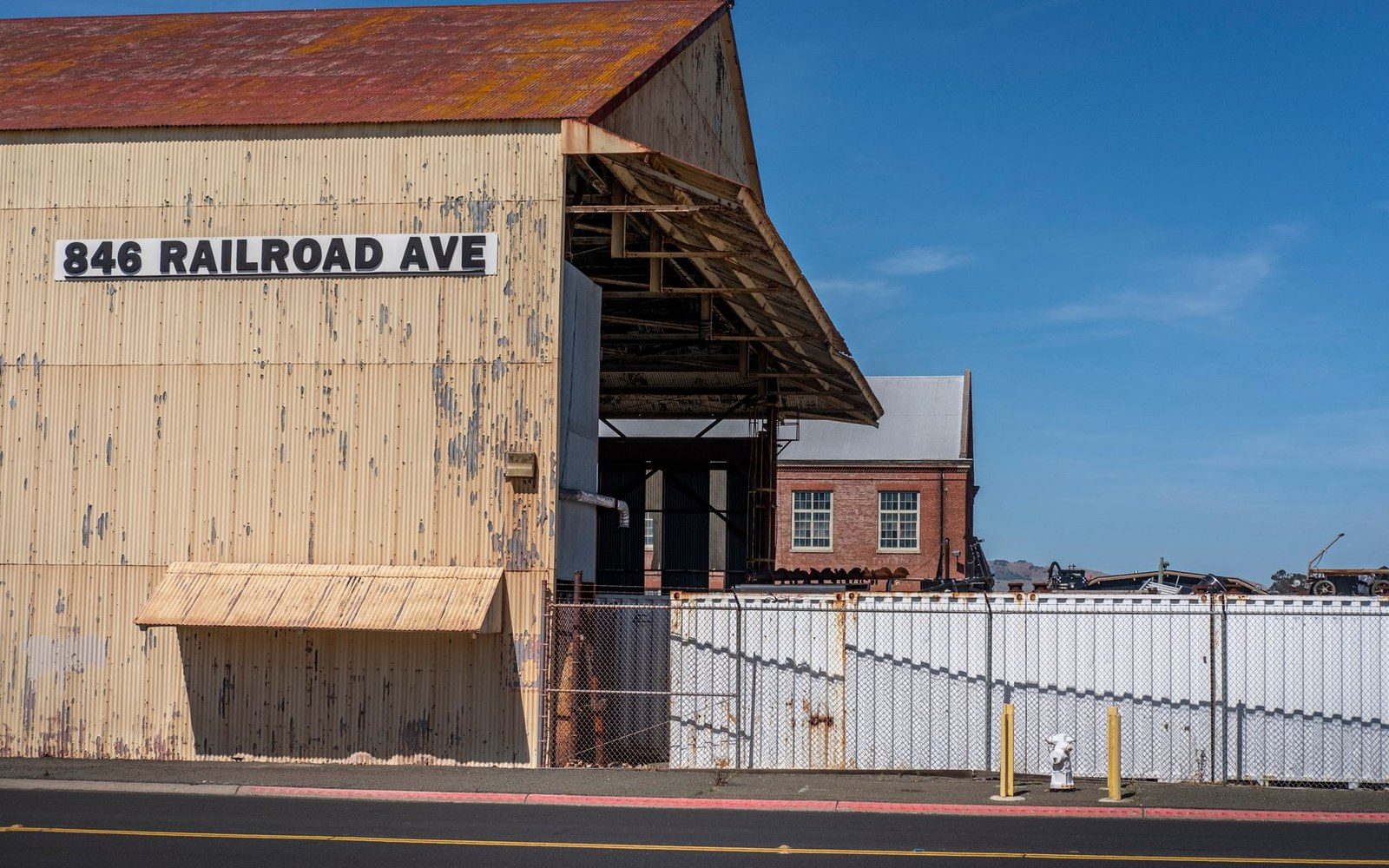
The adjacent freight house, a low masonry structure set slightly north of the main depot footprint, survived and remains today the oldest railroad building on the property — a point the National Park Service documentation of the Durango historic district has noted in its assessments of the corridor.
What Went Up in 1900
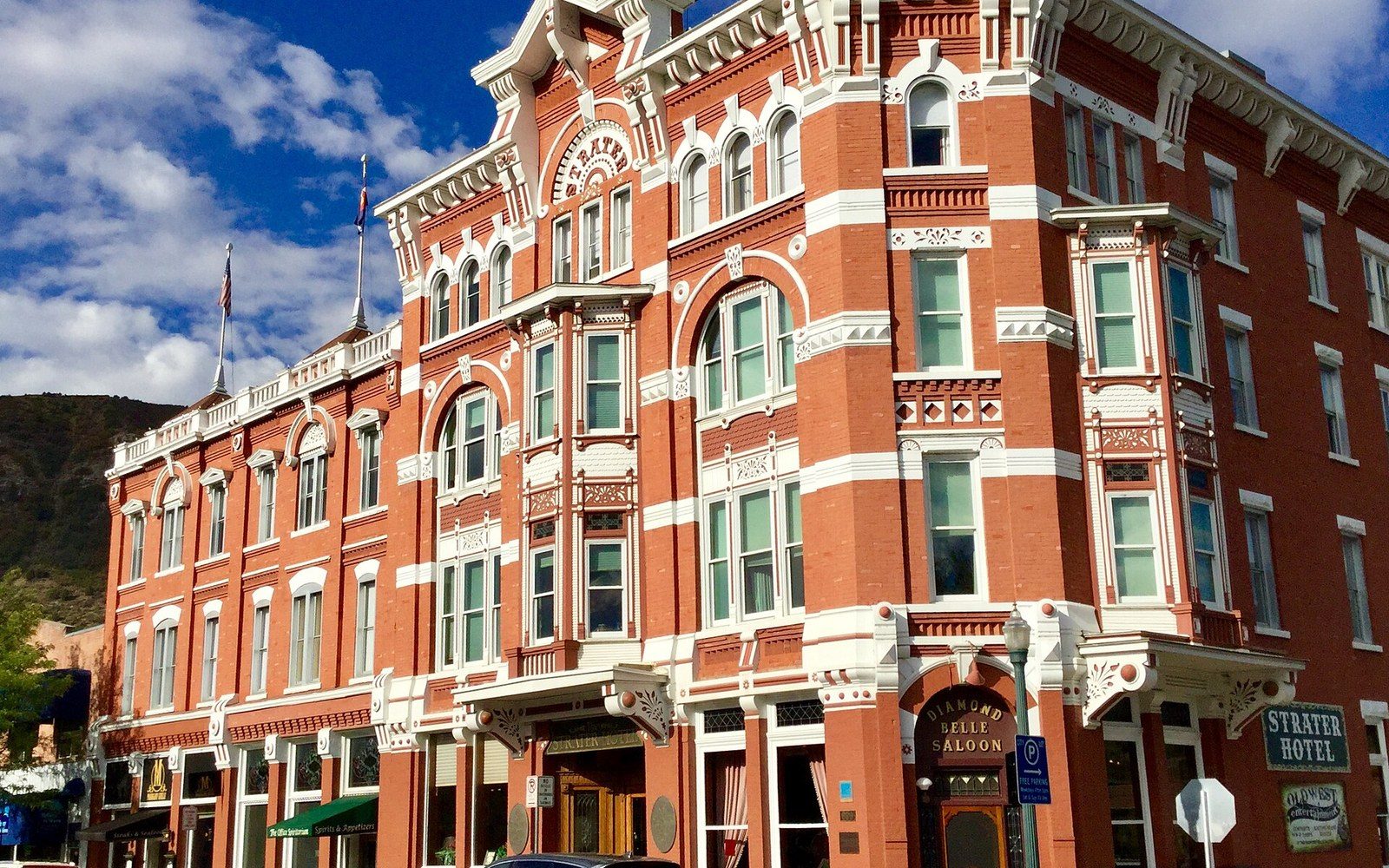
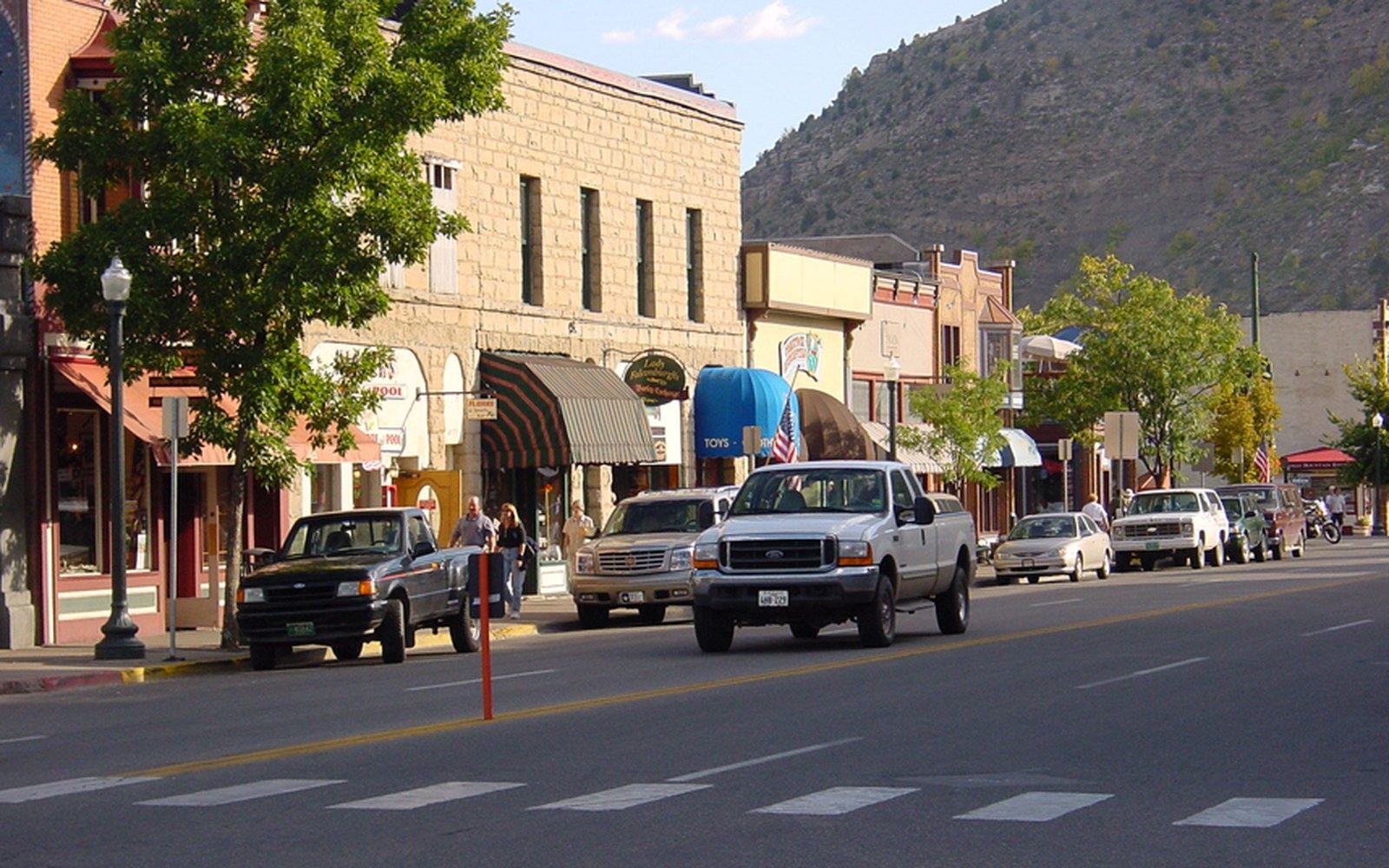
The Denver & Rio Grande moved quickly. By 1900 it had completed a replacement depot in dressed sandstone, a material that announced permanence rather than expedience. The new building followed the regional Richardson Romanesque fashion then favored for substantial civic and commercial construction in Colorado: round-arched openings, a broad bracketed eave, and walls thick enough to survive another fire. The sandstone came from local quarries, and the massing — a long, low waiting-room wing with a projecting bay facing the tracks — suited the practical choreography of a busy passenger terminal where miners, merchants, and mail all moved on the same schedule.
The 1900 depot served the Denver & Rio Grande and its successor operators across the full arc of the line's commercial life. When the Denver & Rio Grande Western sold the Silverton branch in 1981, the depot passed with the property to the new private owners who would operate it as the Durango & Silverton Narrow Gauge Railroad.
The Building Now
The 1900 depot still functions as the operating terminus of the Durango & Silverton, handling ticket sales, baggage, and the boarding of passengers onto trains that Baldwin Locomotive Works ↗-built steam engines haul north into the Animas Cañon each operating season. The sandstone walls, the waiting room, and the track-side platform remain essentially as rebuilt. The freight house alongside it completes the ensemble: two generations of railroad construction on the same ground, the older masonry freight house outlasting the first frame depot, and the newer sandstone outlasting every expectation of what a small-town depot was supposed to be.