What the Denver & Rio Grande Sold in 1981
When the Denver & Rio Grande Western sold the Silverton branch in 1981, the line became the Durango & Silverton Narrow Gauge Railroad under private ownership.
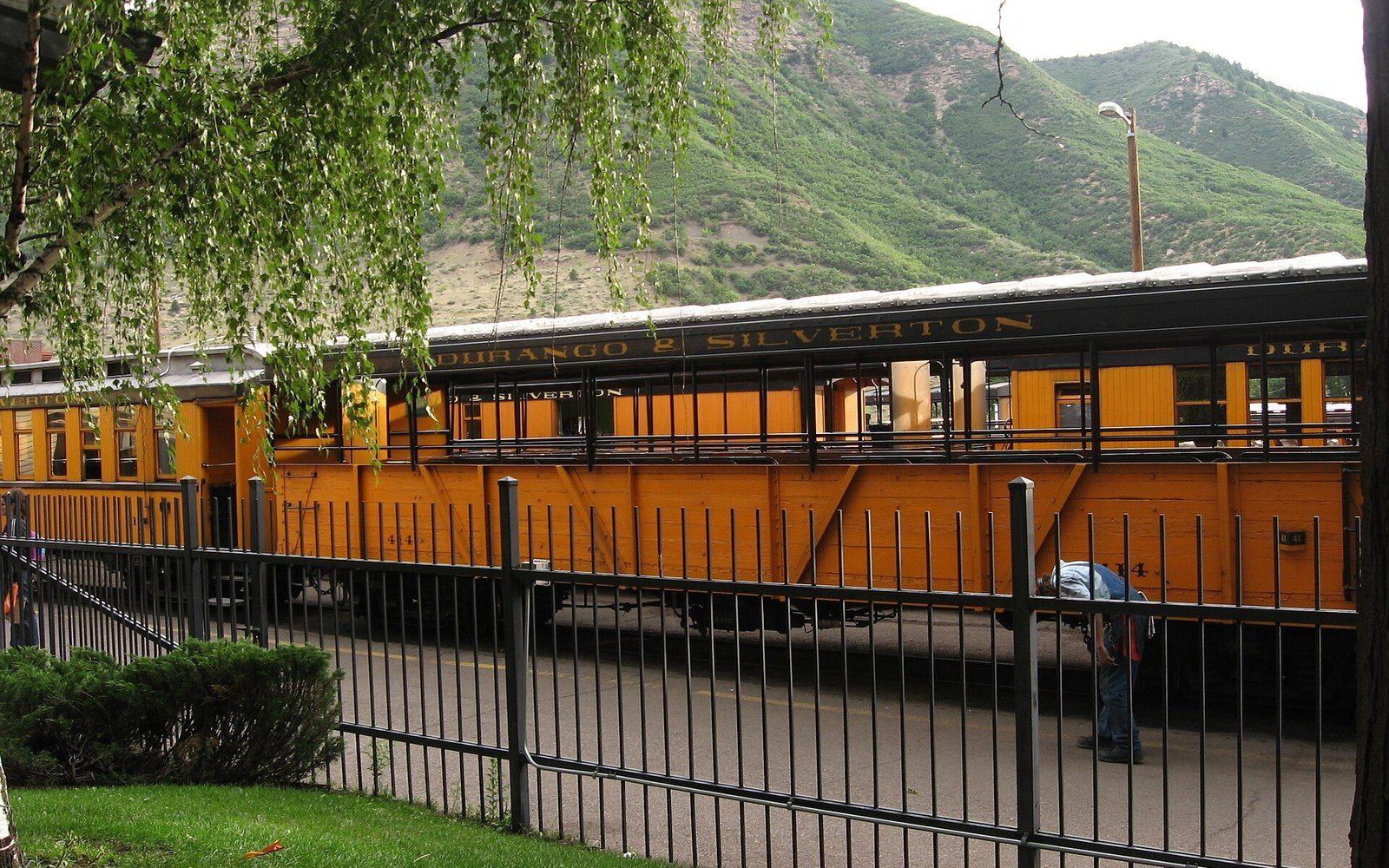
A Branch Line Changes Hands
By 1981 the Silverton branch had outlasted nearly every other narrow-gauge mile in the old Denver & Rio Grande network. The Denver & Rio Grande Western, by then part of Rio Grande Industries, held the line as an operational curiosity — a 45.2-mile, three-foot-gauge route running north from Durango through the Animas Cañon to Silverton, carrying tourists rather than ore. Southern Pacific had no strategic use for it, and in 1981 it sold the branch, the Durango depot complex, associated rolling stock, and the locomotive fleet to Florida entrepreneur Charles Bradshaw Jr. for approximately $2.1 million.
The sale transferred physical assets accumulated across a century of mountain railroading: the K-28 and K-36 Baldwin locomotives that had worked the line since the 1920s, the passenger coaches, the freight cars, the Durango roundhouse, and the trackage itself from the Durango yard to the Silverton terminus. The new owner renamed the property the Durango & Silverton Narrow Gauge Railroad — a name that anchored the line's identity to its two terminal towns rather than to the broader corporate history of the Rio Grande.
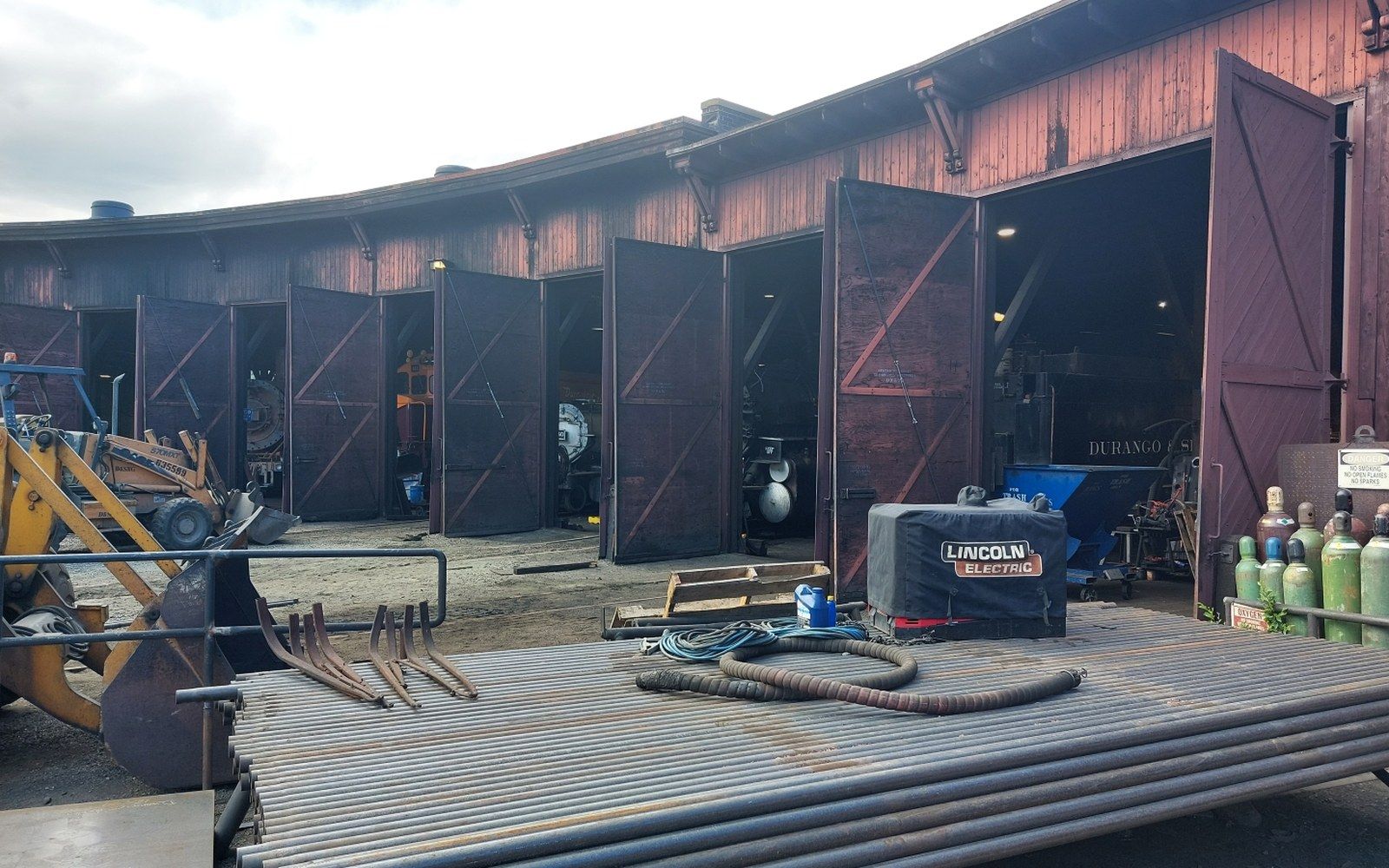
Operationally, the first season under private ownership in 1981 did not disrupt the summer excursion schedule that Southern Pacific had already established. Trains continued to run the full 45.2 miles to Silverton and return the same day, the journey taking roughly three and a half hours each way through the Animas Cañon. What changed was emphasis: the new ownership marketed the railroad as a destination in its own right rather than an incidental remnant, investing in interpretive materials and expanding the season where ridership supported it. The Durango depot, a Victorian structure built in 1882, became the public face of the enterprise.
The 1981 transaction preserved a piece of infrastructure that the D&RG had opened in 1882 ↗ and that the National Park Service had designated a National Historic Landmark in 1961, ensuring that neither sale price nor new branding would alter the physical character of the route.