Ten Engines from Baldwin in 1925, and Nine of Them Still Turn a Wheel
The K-36 class outsized everything the three-foot gauge had carried before it — and most of the ten have been working ever since.
Two Classes, Two Years Apart
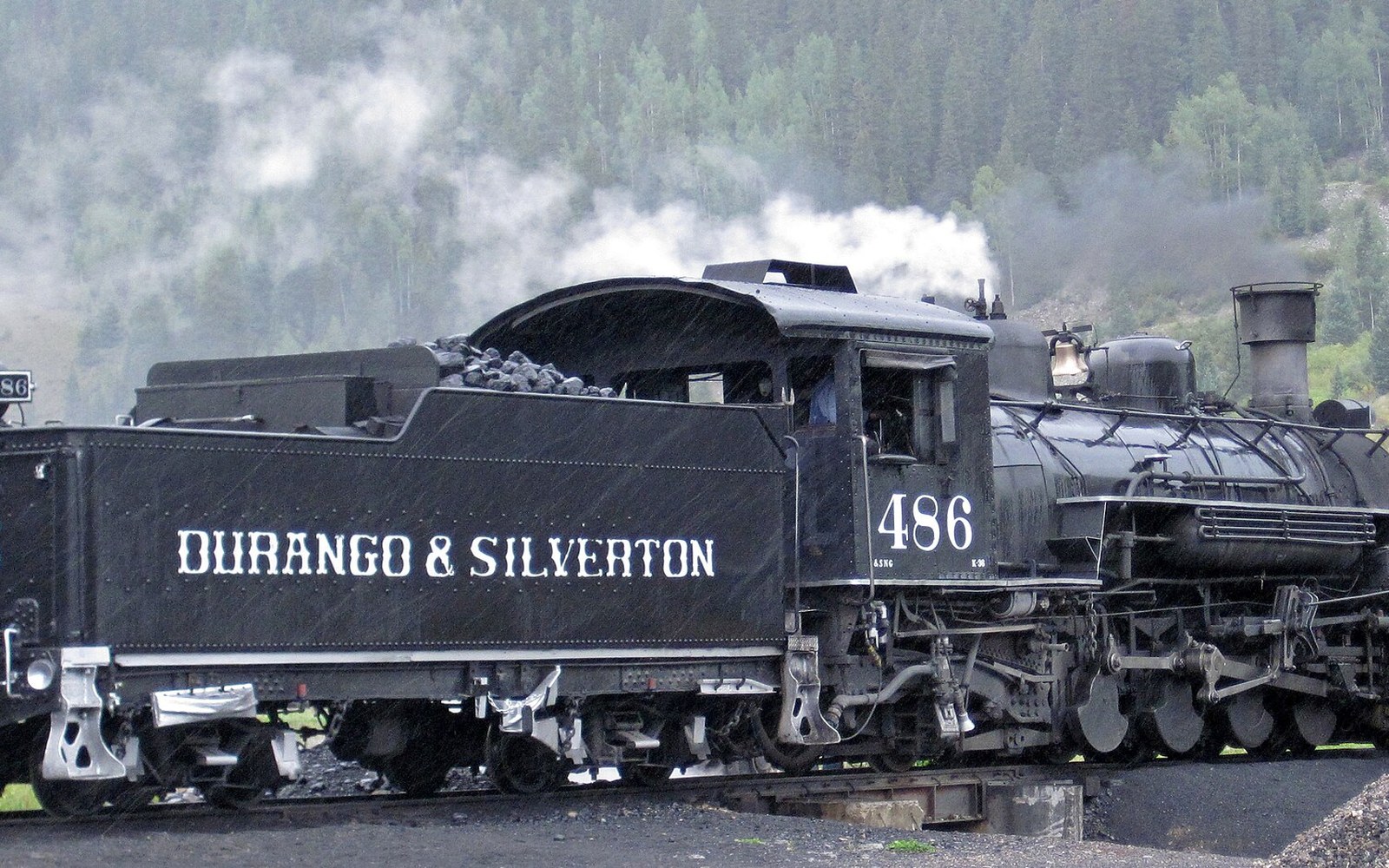
The Denver & Rio Grande Railroad ordered its last two classes of narrow-gauge steam power within two years of each other, and the difference in scale between them marked the practical ceiling of what three-foot track could bear. The K-28s — ten 2-8-2 Mikado-type locomotives ↗ numbered 470 through 479 — arrived from Baldwin Locomotive Works ↗ in 1923. The K-36s, also ten in number and also Mikado types, followed in 1925, numbered 480 through 489. Both classes were purpose-built for mountain service on the D&RG's surviving three-foot network in Colorado and New Mexico, but the K-36 was a heavier, more powerful machine in almost every measurable respect.
The K-28 weighed approximately 144,000 pounds on its drivers — the driven wheels that grip the rail — and operated at a boiler pressure of 200 pounds per square inch, producing a rated tractive effort near 27,500 pounds. The K-36 pushed those figures upward in each category: driver weight around 161,000 pounds, the same 200 psi boiler pressure, but a tractive effort of approximately 36,200 pounds, giving the heavier engine a decisive advantage on the sustained grades above Silverton and through the Animas Cañon. Both classes were delivered with superheaters and outside frames, equipment that made them more efficient and easier to maintain than earlier D&RG power. Baldwin built both to Colorado narrow-gauge specifications that had evolved through decades of high-altitude operation, and the K-36 in particular represented the fullest expression of what that engineering tradition could produce before diesel displaced steam entirely.
Where Each Engine Stands Now
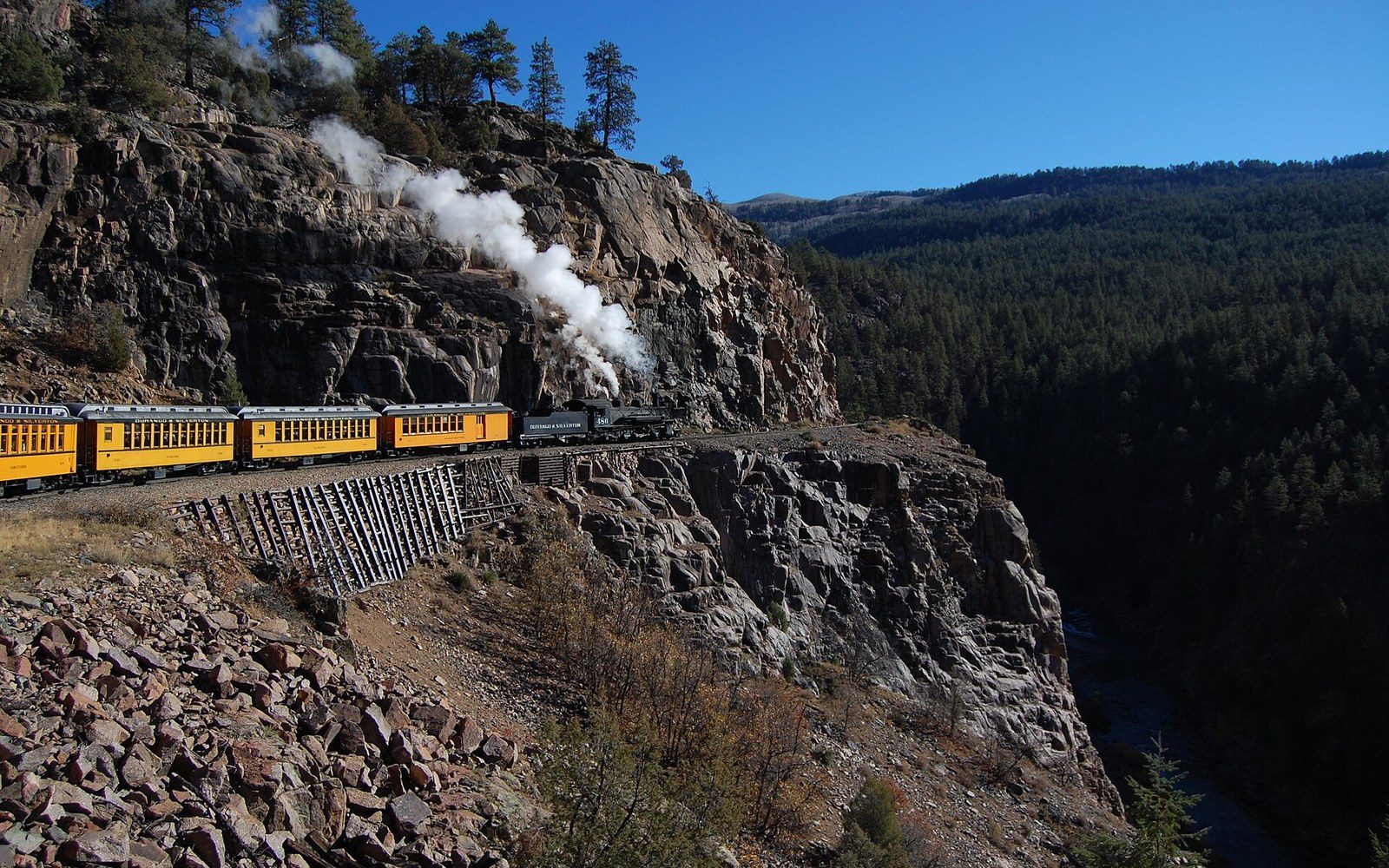
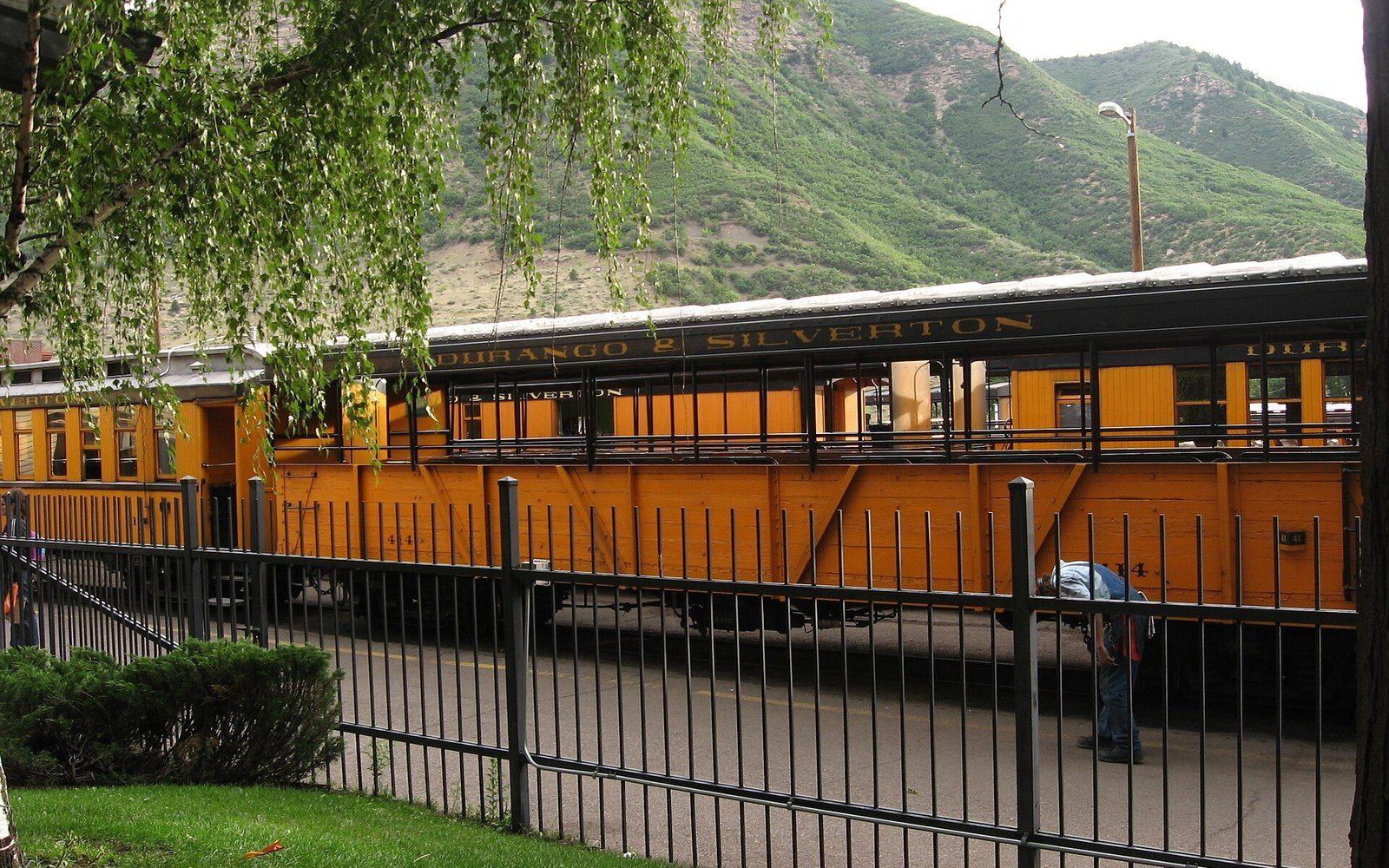
Of the ten K-36s, nine remain operable or restorable as of the most recent reporting by the Durango & Silverton Narrow Gauge Railroad and the Cumbres & Toltec Scenic Railroad ↗. The D&SNGR — which acquired the Silverton branch from the Denver & Rio Grande Western in 1981 — operates several K-36s as its primary road power out of Durango, running them north through the Animas Cañon to Silverton from late spring through autumn. Engine 480 is preserved as a static display. Engines 481 through 489 have, at various points in the post-1981 era, turned revenue miles; the exact operational status of individual locomotives shifts with boiler inspection cycles and the demands of each operating season.
The K-28s, meanwhile, are split between the two surviving narrow-gauge railroads. The D&SNGR holds several, including engines that have appeared in both freight excursions and the occasional special consist. The Cumbres & Toltec — operating the 64-mile line between Chama, New Mexico and Antonito, Colorado that was separated from the Silverton branch when the Denver & Rio Grande Western sold it to the states of Colorado and New Mexico in 1970 — also rostered K-28s. Of the original ten K-28s, the majority survive in some form, though the class has seen more attrition than the slightly younger K-36.
The survival rate across both classes is remarkable by any industrial measure. Steam locomotives on working railroads are subject to federal boiler inspection requirements, and a century-old engine that cannot pass inspection is typically retired to static display rather than scrapped. That so many of the Baldwin narrow-gauge engines remain under steam — or are capable of returning to steam — owes to the unusual continuity of narrow-gauge operation in southwestern Colorado, where the three-foot network was never fully converted to standard gauge and the economics of tourist rail have justified ongoing maintenance since the early 1980s. The K-36s, the heavier and more capable class, have proven particularly durable: nine of the ten Baldwin delivered in a single year still exist, and most of them still move under their own power on the same mountain railroad for which they were built.