Animas City Would Not Meet the Price
The Denver & Rio Grande needed a division-point town in the Animas Valley. Animas City had the ground but refused the terms, and the railroad simply built its own.
A Town That Said No
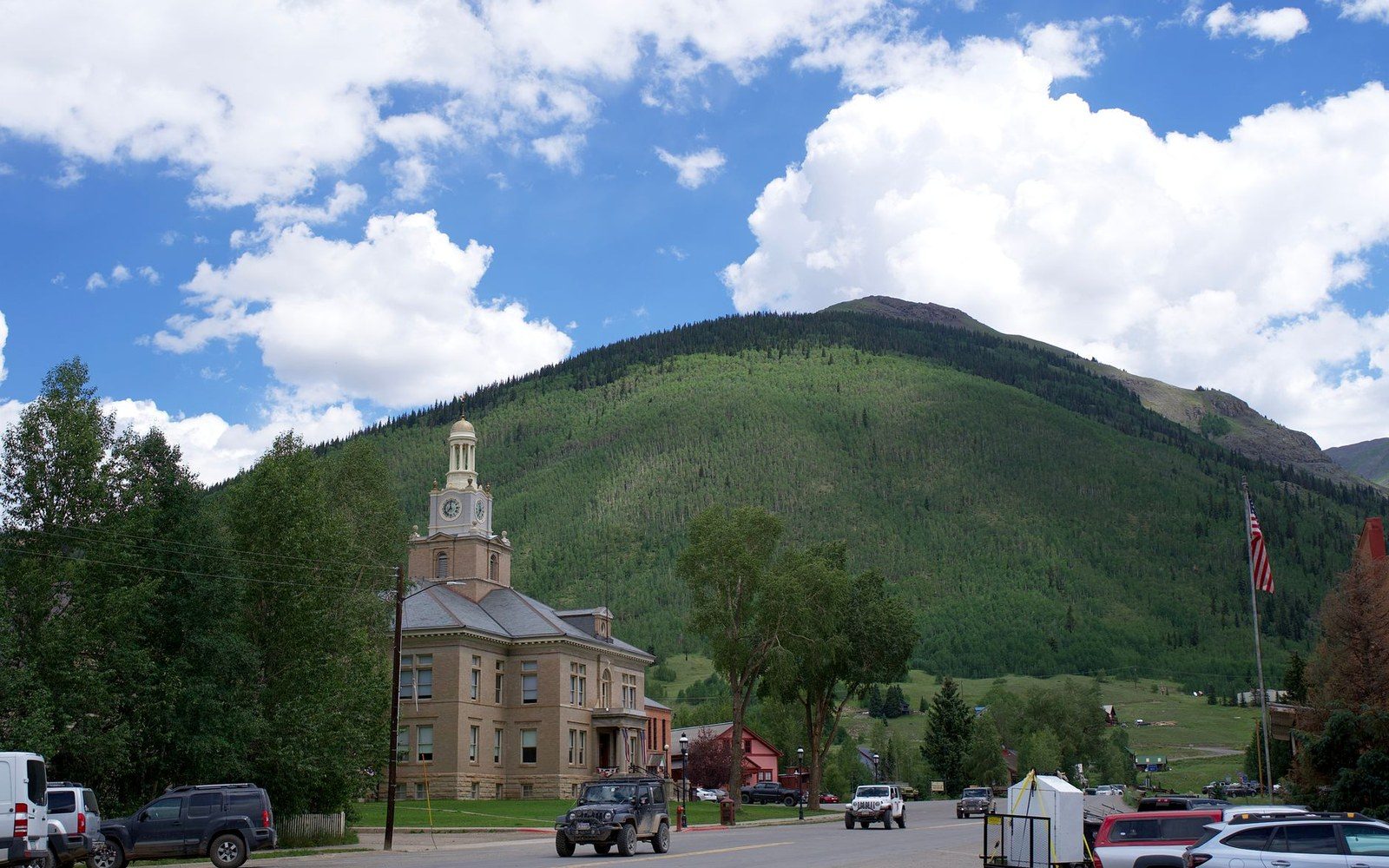
Animas City in 1880 was a modest but established settlement on the Animas River, holding perhaps two hundred residents, a handful of businesses, and reasonable ambitions about becoming the commercial center of the San Juan country. When William Jackson Palmer's Denver & Rio Grande Railroad began pushing its three-foot narrow-gauge track southwestward from Alamosa toward the silver camps of the San Juan Mountains, Animas City sat squarely in its path. The D&RG needed a division point — a place to build a roundhouse, supply yards, and maintenance facilities — and the Animas Valley offered the flat ground and water access the railroad required.
Palmer's agents approached Animas City landowners in early 1880 with a familiar proposition: donate or sell a portion of the townsite to the railroad at favorable terms, and watch the resulting traffic transform the place into a real city. The proposition was not unusual. Railroads across the West had extracted land grants and right-of-way concessions from communities eager for the connection. What was unusual was Animas City's response. The landowners calculated their leverage incorrectly, refused to meet the railroad's terms, and waited for a better offer that never came.
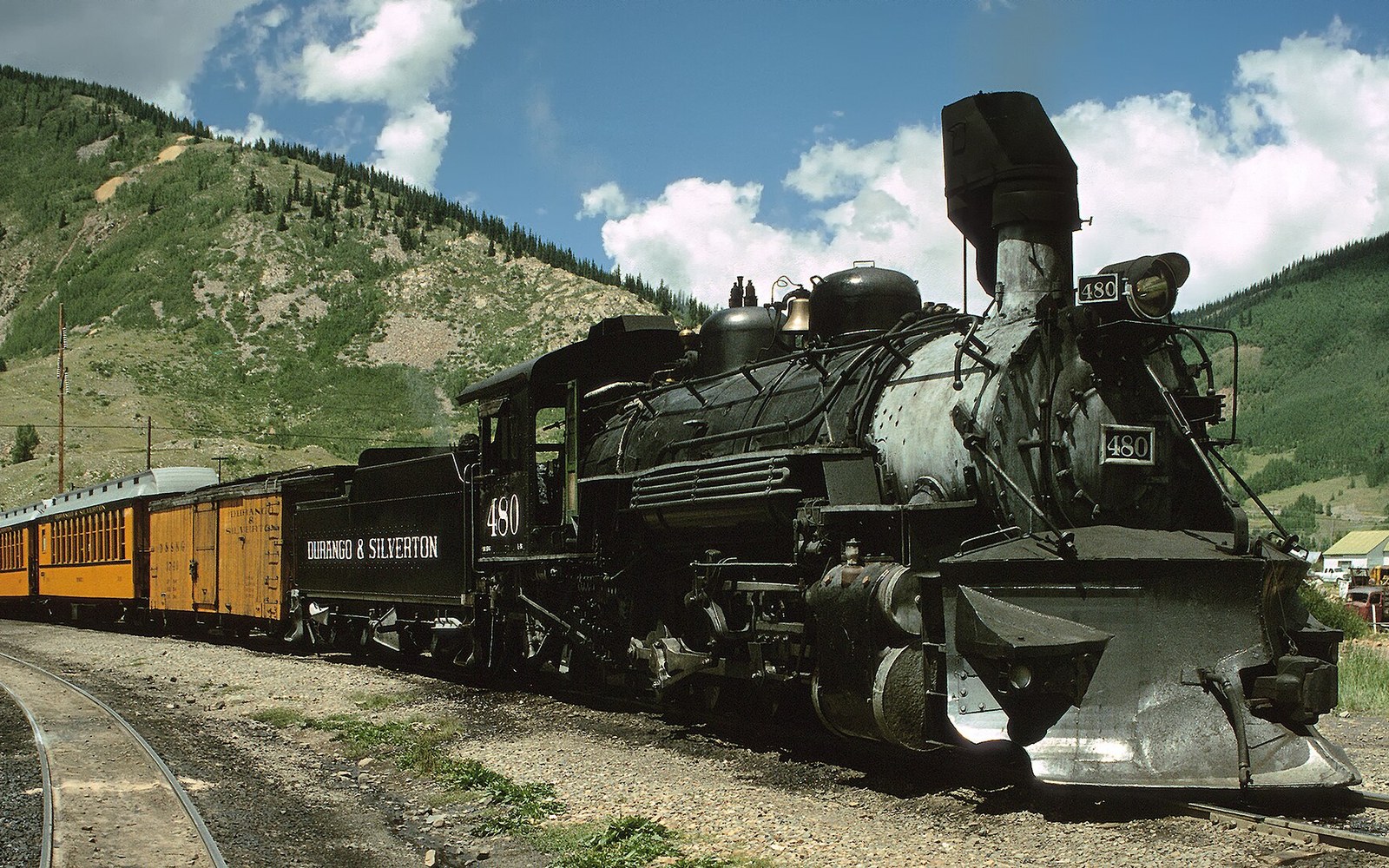
The D&RG did not negotiate twice. Palmer had built his railroad through difficult country by moving quickly and decisively, and a recalcitrant townsite was a problem with a straightforward solution. The company's surveyors identified a tract of open land roughly two miles south of Animas City, on a broad terrace above the river's east bank. The railroad purchased it outright, platted a new town, and named it Durango — after the city of Durango in the Mexican state of Durango, though the precise reasoning behind the choice has never been definitively established.
The Speed of It
The townsite was platted in the summer of 1880, and what followed was less a founding than an eruption. By the time the first D&RG tracks reached Durango in August 1881, the town already had several hundred permanent structures. Lumber arrived by wagon and then by rail as the line advanced, and construction crews working for the railroad were joined almost immediately by the merchants, saloon keepers, attorneys, and outfitters who understood that a division-point town on a mining railroad would generate commerce at a pace a quiet agricultural settlement could not match.
The D&RG's investment in Durango was substantial and intentional. The company built a depot, a roundhouse, repair shops, and freight facilities that together made the town functionally dependent on the railroad and the railroad functionally anchored to the town. Main Avenue took shape along the railroad's own grid, and the brick and cast-iron commercial buildings that began replacing the first timber structures within a year or two of founding gave the town a permanence that its rapid birth might otherwise have concealed. The pace of the 1880–1881 construction season was, by any measure, extraordinary for the period ↗ — a worked townsite, a functioning depot, and an operating railroad all established within roughly twelve months.
Animas City, left off the main line, did not vanish immediately; it persisted as a separate municipality for decades before being annexed by Durango in 1948. But its moment as the valley's leading settlement had passed the afternoon the D&RG's surveyors walked two miles south and started driving stakes.
What Palmer's Method Produced
The episode is a clean example of how Palmer operated across the D&RG's network. He was not a man who lobbied a reluctant community into cooperation. He built around resistance, and the new town that resulted from the detour tended to outgrow the one that had declined to deal. Durango's growth in its first decade ↗ validated the approach entirely: by 1890 it had become the commercial and railroad hub of the entire San Juan region, a position Animas City had been offered and had refused.
The lesson the San Juan country drew from 1880 was durable. When the railroad came, you met its price, or you watched the railroad build a town that would spend the next century making you irrelevant.