Otto Mears Charged for the Road Before the State Would Build It
The toll roads that connected the San Juan mining camps were not a public works project — they were a private bet on the ore.
A Network Built on Risk
Otto Mears arrived in New Mexico in the 1860s as a young Russian-born immigrant who had drifted west after serving in the California volunteers during the Civil War. By the early 1870s he had established a flour mill at Saguache, Colorado, and discovered what would become his defining instinct: the mountains between one profitable place and another were only an obstacle until someone charged to cross them.
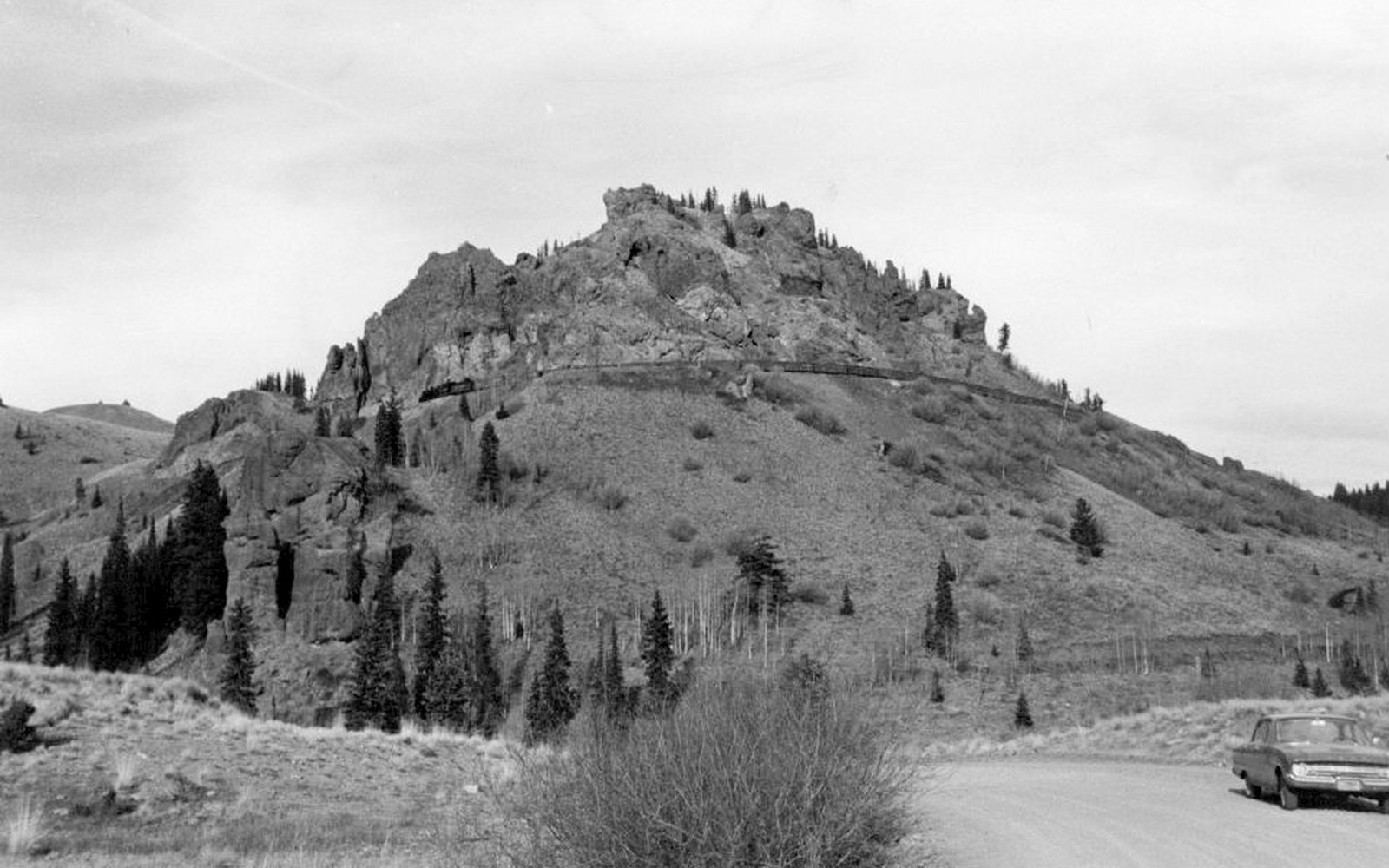
His first toll road ran from Saguache north over Poncha Pass toward the Arkansas Valley, giving freight wagons a route that had previously required improvisation through difficult terrain. The lesson was immediate and commercial — traffic paid. Through the 1870s, as silver strikes deepened across the San Juan Mountains, Mears extended his approach into far more demanding country. The routes he built connected Ouray, Silverton, Telluride, and the surrounding camps with one another and with the supply lines of the lower valleys. No territorial or state authority was financing this infrastructure; the Colorado legislature had neither the funds nor the political will to grade roads at elevations where the weather alone could destroy a season's work.
The Passes and What They Cost
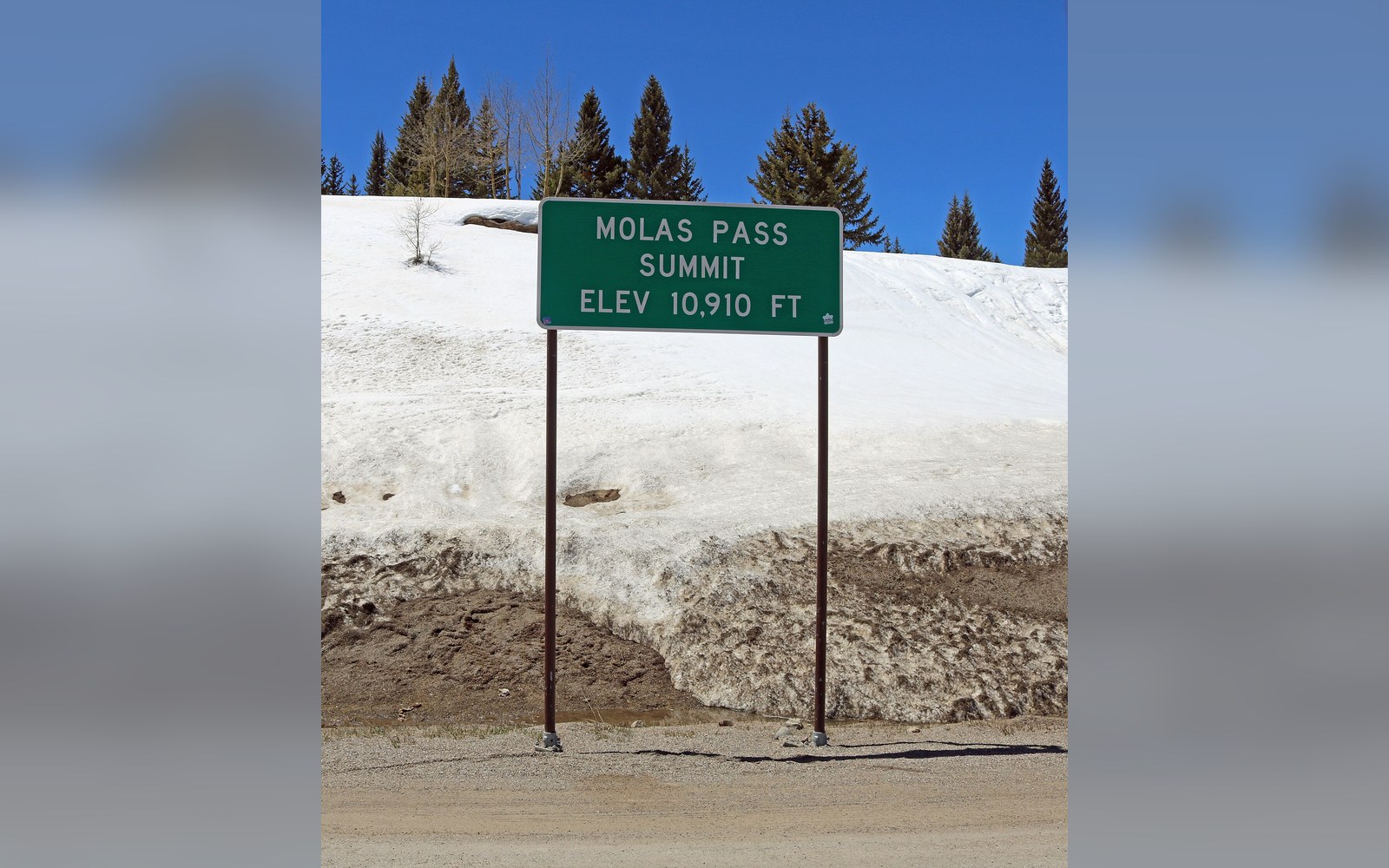
Mears built or improved several passes that freighters and prospectors would otherwise have been unable to cross with loaded wagons. The road over Dallas Divide connected the Uncompahgre Valley to the Telluride area. His route through Poncha Pass linked the San Luis Valley to the upper Arkansas drainage. The most consequential was his work on the road south from Ouray toward Silverton through the canyon of the Uncompahgre — a corridor so precipitous that sections of it were later rebuilt as the Million Dollar Highway ↗, the modern US-550.
Toll schedules were posted and enforced at gates along the routes. Rates varied by load type and season; a wagon with a team paid more than a man on foot, and loaded freight wagons paid more than empty ones returning downhill. The charges were resented — miners on thin margins begrudged every assessment — but the roads existed because the charges funded them, and the alternative was no road at all.
Mears was direct about the logic. He graded and surfaced to a standard that permitted year-round use where the snowpack allowed, hired crews to maintain the drainage ditches and switchbacks that kept the grades passable, and reinvested enough of the toll revenue to keep traffic moving. The system was self-financing in a way that no government appropriation had yet matched in the San Juans.
From Roads to Rails
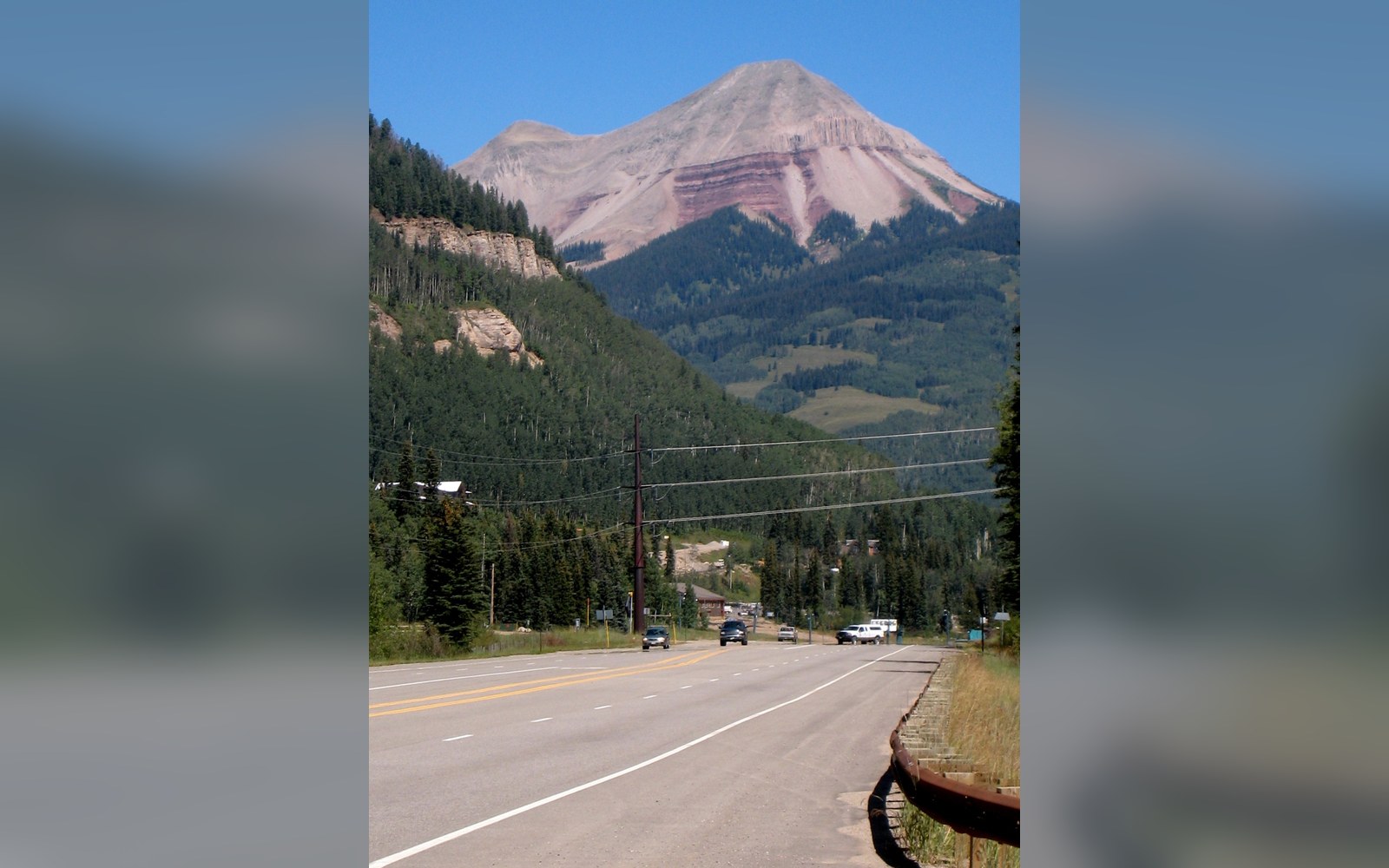
By the early 1880s the arithmetic of mountain freight had shifted. The Denver & Rio Grande Railroad had reached Durango in 1881 and Silverton by 1882, and Mears understood that a rail line could move ore in volumes that wagon roads could not approach. He turned his organizational energy toward narrow-gauge construction, forming the Silverton Railroad in 1887 to push a line north from Silverton toward the mines above Red Mountain Pass, and later organizing the Silverton, Gladstone and Northerly, among other lines in the broader San Juan network.
His narrow-gauge ventures applied the same principle that had governed the toll roads: capital follows access, and access in the mountains has to be built before anyone else will build it. The Silverton Railroad reached Ironton by about 1889, serving mines that had previously depended entirely on pack animals and Mears's own wagon roads.
The toll roads themselves were absorbed, one by one, into the San Juan Skyway corridor and the broader state highway system as Colorado acquired both the revenue and the political mandate to maintain mountain roads — a transition that Mears's original investment had made possible by proving the routes were worth keeping.