Two Films, One Train, Thirteen Years Apart
The Durango & Silverton's narrow-gauge locomotives appeared in Michael Anderson's Around the World in 80 Days (1956) and George Roy Hill's Butch Cassidy and the Sundance Kid (1969), making the line one of the most filmed working railroads in North America.
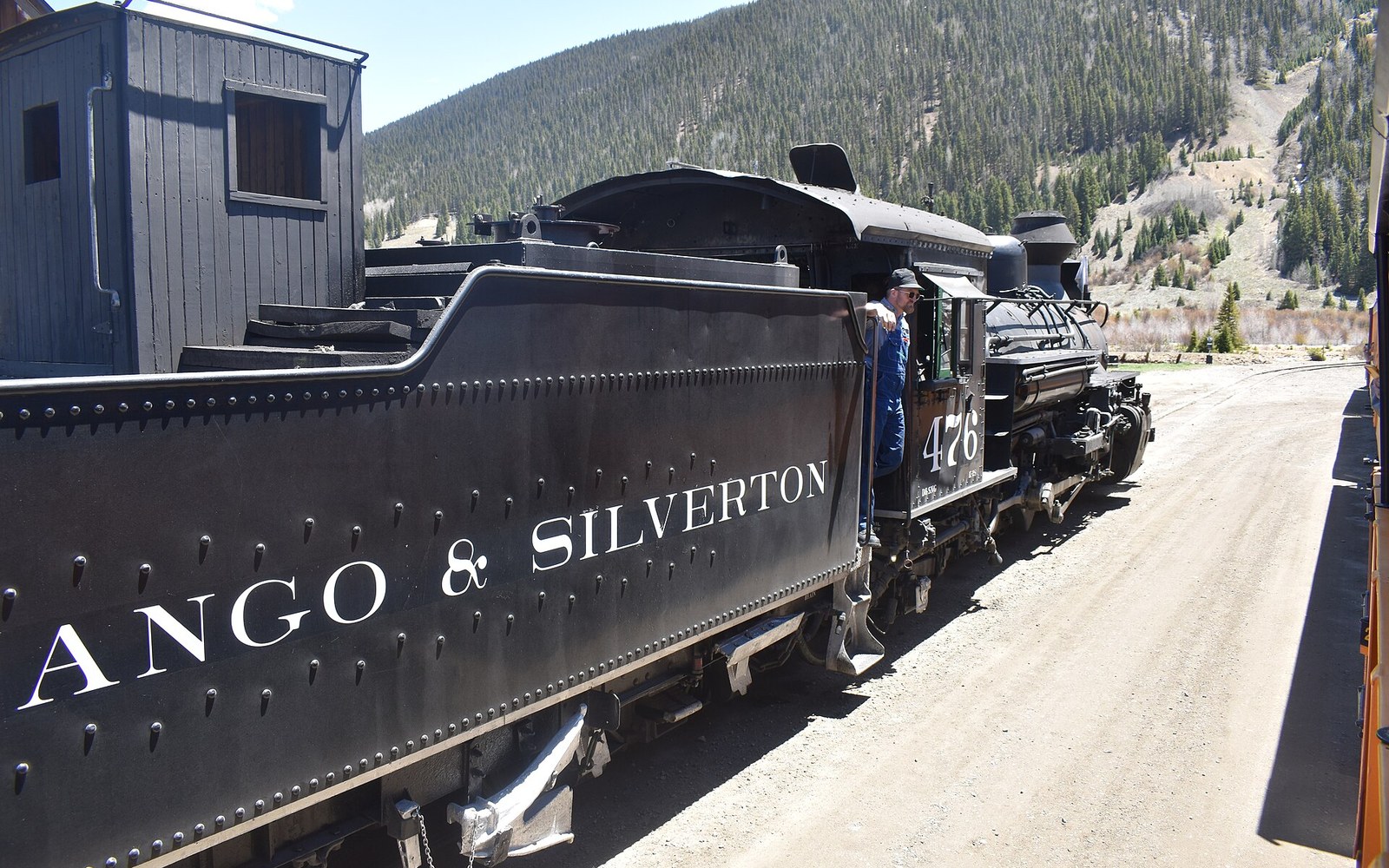
The Narrow Gauge on Screen, 1956 and 1969
The Durango & Silverton Narrow Gauge Railroad has served as a working set for dozens of productions, but two films — separated by thirteen years and belonging to entirely different eras of Hollywood — defined its screen identity: Michael Anderson's Around the World in 80 Days (1956) and George Roy Hill's Butch Cassidy and the Sundance Kid (1969).
Anderson's adaptation of the Jules Verne novel was a United Artists road-picture on a global scale, and the Animas Cañon stood in for the crossing of the American West by Phileas Fogg's party. Shooting took place along the line north of Durango, with the Animas Cañon's sheer sandstone walls providing the kind of theatrical scenery no studio backdrop could replicate. The production used one of the railroad's surviving Denver & Rio Grande steam locomotives — the line was still operating under D&RG successor ownership at the time — and the train appears in extended sequence, moving through the canyon under steam. The film won five Academy Awards including Best Picture, giving the railroad's canyon footage a visibility no press release could have purchased.
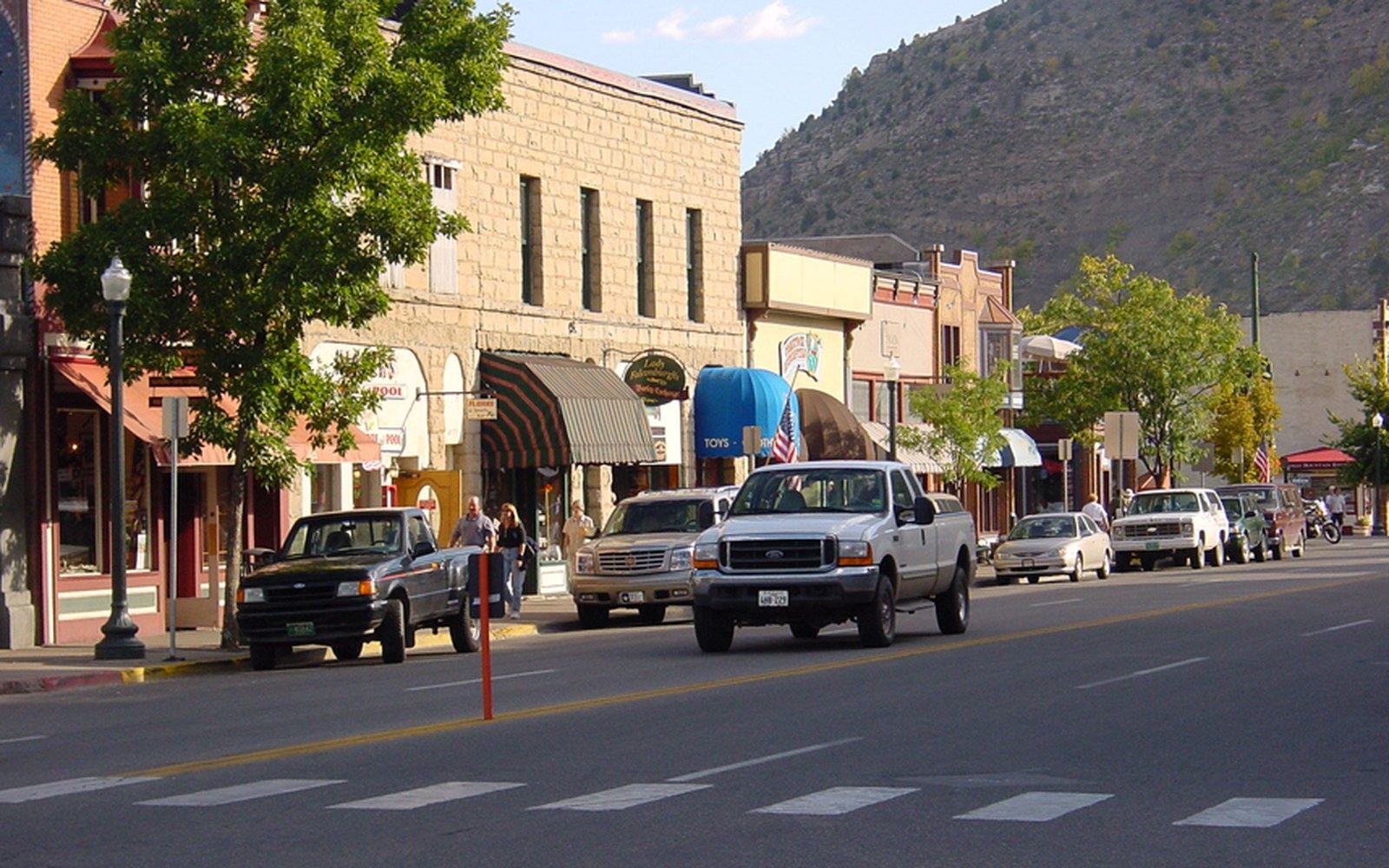
Thirteen years later, George Roy Hill brought a larger unit to Durango for Butch Cassidy and the Sundance Kid, the William Goldman–scripted Western that would win four Academy Awards of its own. The train robbery sequences were filmed on the line between Durango and the canyon, using K-28 class locomotive No. 315 — one of the ten K-28s delivered by Baldwin Locomotive Works in 1923 — dressed and lettered as a Union Pacific express. No. 315 remains in the active D&SNG roster today. The sequences required multiple passes through the same canyon curves, and the production's large crew occupied Durango for several weeks during the 1968 shooting schedule; the film was released in September 1969.
What connects the two productions is the landscape itself. The Animas Cañon north of Rockwood offers a compressed geography — tight curves, high rock walls, a river running close beneath the track — that reads on film as genuine wilderness threat whether the year onscreen is 1872 or 1890. No digital replacement has been attempted because none is needed: the canyon is still there, the gauge is still three feet, and No. 315 still moves under its own steam.
The D&SNG has since hosted scores of additional productions, but Around the World in 80 Days and Butch Cassidy established the template: the railroad as a functioning piece of the nineteenth century, capable of carrying a story as readily as it carries passengers.