The 416 Fire and the Season the Trains Stopped
The first summer shutdown in the railroad's modern history came not from mechanical failure or flood, but from fire moving down the canyon walls toward the track.
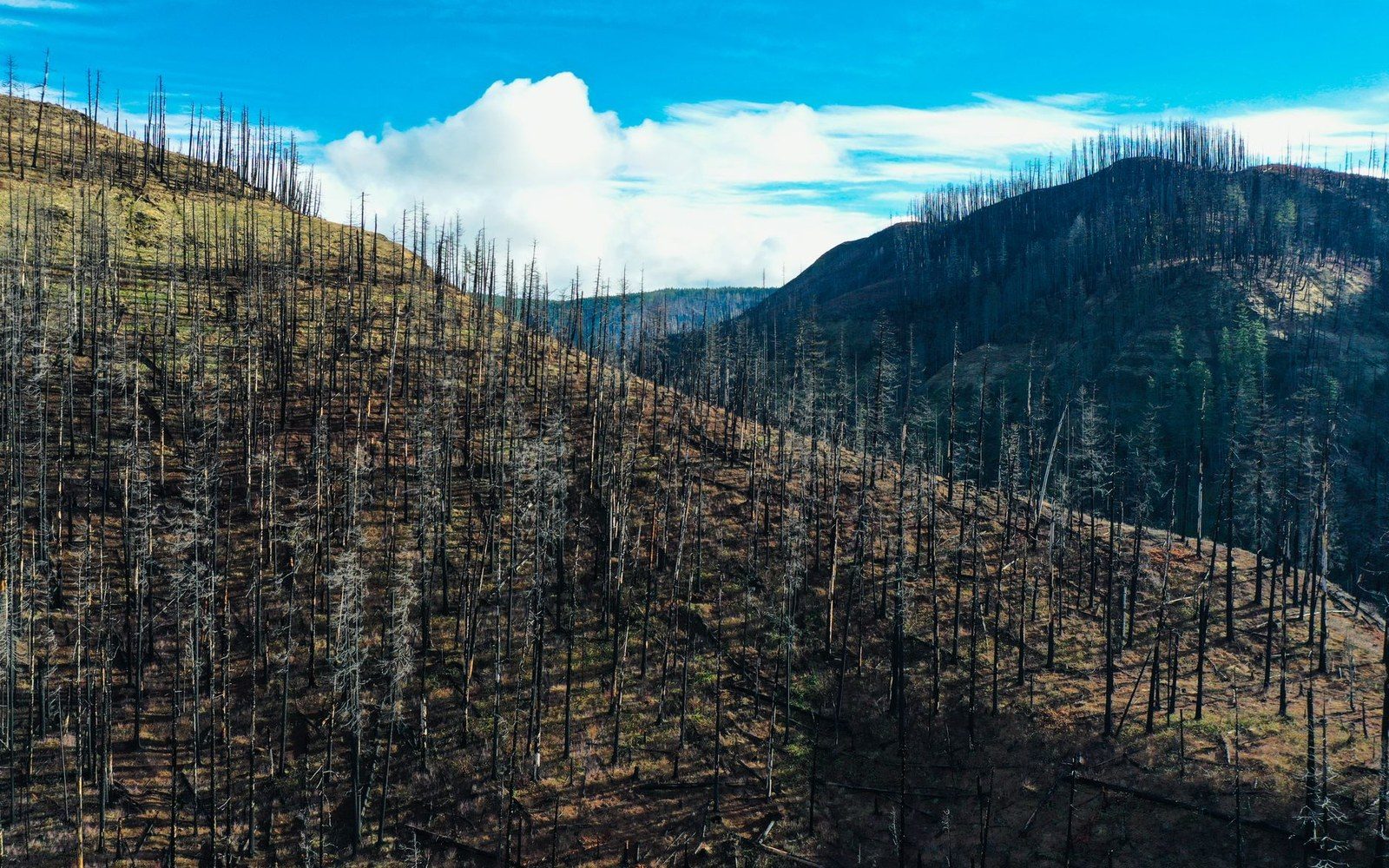
The Fire and the Track
On 1 June 2018, a wildfire ignited along U.S. Highway 550 north of Durango, in the drainage between the Animas Cañon and the San Juan Mountains. The blaze was named the 416 Fire because it was the 416th incident reported to the San Juan National Forest's Columbine Ranger District that year. Within days it had established itself in steep, timber-choked terrain above the Animas River — precisely the corridor through which the Durango & Silverton Narrow Gauge Railroad threads its forty-five miles of three-foot track toward Silverton.
The U.S. Forest Service documented the 416 Fire at a final perimeter of approximately 54,000 acres, making it the largest wildfire in La Plata County's recorded history at the time. The fire burned primarily within the San Juan National Forest, on the slopes above the Animas Cañon in the Hermosa Creek drainage. Conditions that June were extreme: the region was deep in drought, relative humidity dropped to single digits on multiple days, and erratic afternoon winds pushed the fire laterally across drainages faster than initial suppression efforts could track.
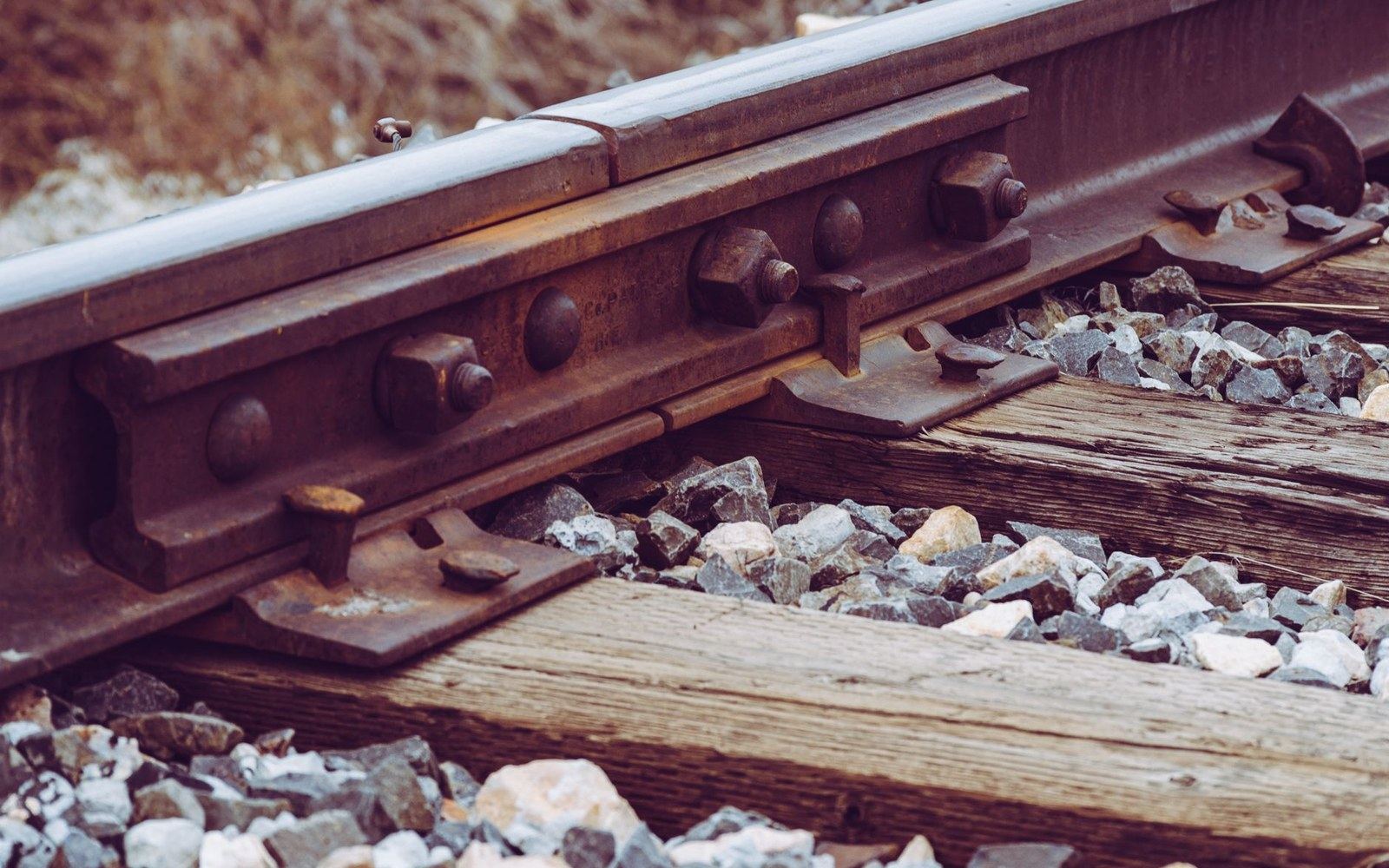
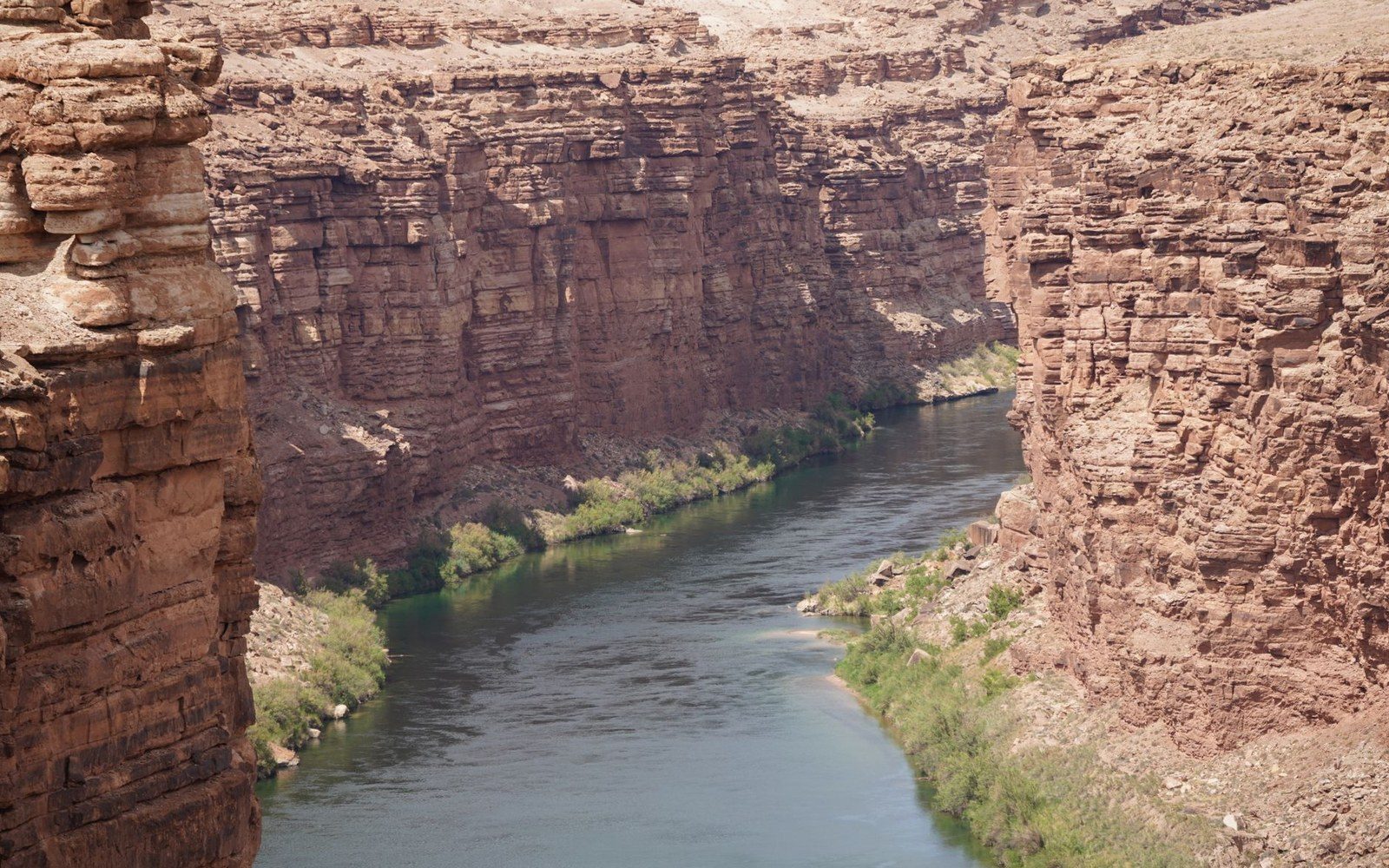
The railroad's route north of Rockwood runs along the High Line, a ledge carved into the canyon wall some four hundred feet above the river. This stretch of track — wholly dependent on the stability of the slopes above and below it — sits directly beneath the forested terrain that burned hardest in the fire's first two weeks. Ember cast and rolling debris posed an immediate risk to the wooden trestles and bridges that carry the line across side drainages; beyond the track itself, the fire rendered the Animas Cañon corridor inaccessible and untenable for passenger operations.
The Shutdown and Its Costs
The Durango & Silverton suspended all train service on 5 June 2018, four days after ignition. The closure was the first forced halt to summer operations in the railroad's modern era — a period stretching back to 1981, when the Denver & Rio Grande Western sold the Silverton branch and the line began running as a heritage railroad under private ownership. Summer is the railroad's primary operating season; a suspension in June cuts directly into the revenue weeks that sustain the rest of the year's maintenance and payroll.
Durango itself felt the stoppage beyond the depot. The narrow gauge is the town's largest single tourism draw, and the hotels, outfitters, and restaurants along Main Avenue that depend on the rail visitor trade absorbed the loss alongside the railroad. La Plata County emergency managers simultaneously ordered evacuation of portions of Durango's north side as the fire's southern edge threatened residential areas — a circumstance that suppressed visitor arrivals from the region well before any formal closure of the highway corridor.
Firefighting resources from across the Southwest were committed to the 416 Fire through June. Air tankers worked the upper slopes; hand crews built line along the canyon rim. The U.S. Forest Service ↗ tracked the fire's spread and issued daily situation reports through InciWeb, the federal incident information system, as the perimeter expanded through the second and third weeks of June.
The Durango & Silverton restored limited service on 9 July 2018, more than a month after the shutdown began. Initial runs operated over a shortened route — not the full run to Silverton — while fire managers and railroad crews assessed the condition of the track, trestles, and adjacent slopes for residual hazard. Full service to Silverton resumed later that summer as fire behavior moderated and suppression lines held.
The 416 Fire left a visible scar on the canyon slopes that remained apparent for years afterward, the burned-over hillsides visible from the train's windows as a standing record of what the U.S. Geological Survey has documented as a persistent post-fire hazard: destabilized slopes, accelerated erosion, and elevated debris-flow risk in the drainage systems above the track.